

Best Senior Labrador Food: 6 Top Picks for Aging Labs (2026)
The best senior Labrador food is Royal Canin Labrador Retriever 5+, built for aging Labs, with collagen, EPA, and DHA for joints plus kidney-friendly minerals and softenable kibble. Hill’s Science Diet Large Breed Senior is the best vet-trusted alternative, Eukanuba Large Breed Senior is the best value, and Now Fresh Senior Weight Management suits Labs that need to lose weight.
In This Guide
- Key Takeaways
- Best Senior Labrador Food: Comparison Table
- Royal Canin Labrador Retriever 5+ Dry Dog Food
- Hill’s Science Diet Large Breed Senior Dry Dog Food
- Blue Buffalo Life Protection Formula Senior
- Eukanuba Large Breed Senior Dry Dog Food
- Purina ONE Senior High Protein Dog Food
- Now Fresh Grain-Free Large Breed Senior Weight Management
- Senior Labrador Nutritional Needs: What to Look For
- What to Avoid in Senior Labrador Food
- How to Switch Your Senior Lab to a New Food
- When Should a Labrador Switch to Senior Food?
- Feeding a Senior Lab Whose Mind and Teeth Are Slowing Down Too
- Conclusion: Our Recommendation
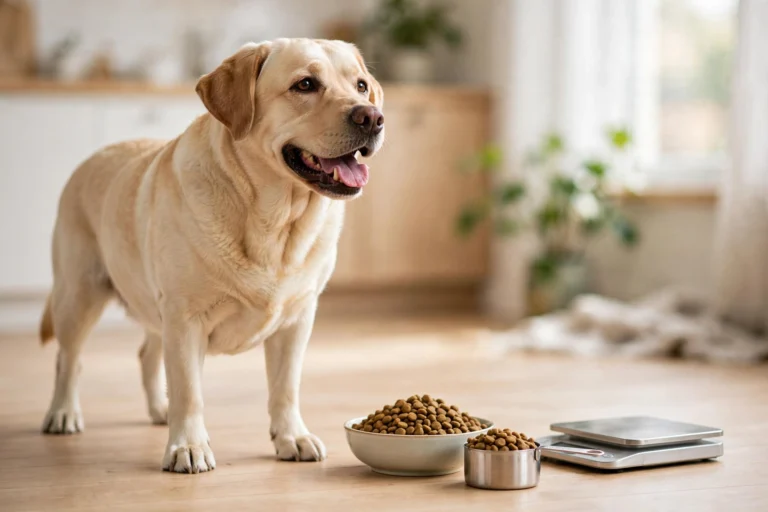
Finding the best senior Labrador food for your aging Lab is one of the kindest things you can do for them. Labs age gracefully but hard. Their hips slow down, their waistline fills out, and that famous bottomless appetite starts working against them. This guide covers everything you need to know about feeding an older Labrador: what changes in a senior Lab’s body, how to switch foods without upsetting their stomach, and my six top picks for senior Labrador nutrition in 2026.
Most Labs are considered seniors around age 7 or 8, though larger Labs may show senior signs closer to 6. A good senior diet keeps protein high enough to protect muscle, keeps calories in check to prevent obesity, and adds joint support where their old joints need it most.
Key Takeaways
- Senior Labs need joint support: look for glucosamine, chondroitin, EPA, and DHA on the ingredient panel. Labs are prone to hip and elbow issues that worsen with age.
- Keep calories controlled: Labs gain weight easily as metabolism slows; a senior formula with moderate fat (10 to 14%) helps keep your Lab lean.
- Protein stays important: don’t cut protein for seniors, since around 22 to 26% quality animal protein protects aging muscles.
- Breed-specific formulas win: the Royal Canin Labrador 5+ is designed around the aging Lab’s exact needs, from kibble shape to kidney support.
- Always transition slowly: switch foods over 7 to 10 days to avoid digestive upset in an older dog.
Best Senior Labrador Food: Comparison Table
| Product | Best For | Key Feature |
|---|---|---|
| Royal Canin Labrador Retriever 5+ Dry Dog Food | Best overall senior Lab food | Breed-specific formula with collagen, EPA, and DHA for joints |
| Hill’s Science Diet Large Breed Senior Dry Dog Food | Vet-recommended large breed senior | Glucosamine and chondroitin with balanced minerals for heart and kidneys |
| Blue Buffalo Life Protection Formula Senior | Immune support | Real chicken first plus antioxidant-rich LifeSource Bits |
| Eukanuba Large Breed Senior Dry Dog Food | Best value large-breed senior | Glucosamine, chondroitin, and L-carnitine for joints and heart |
| Purina ONE Senior High Protein Dog Food | Budget-friendly high protein | Real chicken first with MCT-rich vegetable oil for aging minds |
| Now Fresh Grain-Free Large Breed Senior Weight Management | Weight-prone senior Labs | Lean turkey, green-lipped mussels, and only 328 calories per cup |
Royal Canin Labrador Retriever 5+ Dry Dog Food
Why it fits senior Labs: The standouts here are the joint-support nutrients. Collagen plus EPA and DHA support cartilage and bone health, which matters enormously for a breed where hip and elbow dysplasia are common. Appropriate phosphorus levels support kidney health, a quiet concern in older dogs. The kibble itself is sized and shaped for a Lab’s mouth, and it can be softened with warm water. That is a real blessing for seniors with worn or missing teeth.
If there is one food designed specifically for an aging Labrador, this is it. Royal Canin’s Labrador 5+ formula targets mature Labs from age 5 onward, combining an exclusive antioxidant blend for cellular health with tailored protein and L-carnitine to maintain muscle mass as your dog ages.
Key ingredients: Chicken by-product meal, corn, brown rice, oat groats, wheat gluten, plus the breed-specific vitamin and antioxidant complex. The adapted calorie content helps Labs hold an ideal weight, which is half the battle with this breed.
Who it’s for: Lab owners who want a formula built around the aging Lab specifically, covering joints, kidneys, muscles, and weight in one bag. Based on ingredient analysis, brand reputation, and owner reviews, this is the most complete senior Lab food available. The premium price reflects the breed-specific research behind it.
Pros and Cons
- Built for the aging Lab only, with collagen, EPA, and DHA for joints
- Kidney-friendly phosphorus levels for older dogs
- Kibble sized for a Lab mouth and softens in warm water
- Tailored protein and L-carnitine help hold muscle as Labs age
Cons:
- Premium price, higher than every other pick on this list
- Lists chicken by-product meal, corn, and wheat gluten, which some owners prefer to avoid
- Contains grains, so it does not suit a Lab on a grain-free plan
- Kibble can still be hard for Labs with severe dental loss, though soaking in warm water helps
Hill’s Science Diet Large Breed Senior Dry Dog Food
Hill’s Science Diet is one of the most consistently recommended brands by veterinarians in the US, and their large breed senior formula is a strong all-rounder for aging Labs. It combines natural sources of glucosamine and chondroitin for joint health with omega-6 fatty acids and vitamin E for skin and coat condition.
Why it fits senior Labs: Balanced minerals support heart and kidney health. Both systems deserve extra attention after age 7. The formula is made in the USA and designed around the calorie needs of large, less-active senior dogs, so your Lab gets complete nutrition without excess weight gain. The kibble is sized for a large dog’s mouth while staying easy enough to chew for most seniors.
Key ingredients: Chicken meal as the primary protein source, whole grain wheat, barley, and soybean meal, with a clinically-proven antioxidant blend and no artificial colors or preservatives.
Who it’s for: Owners who trust vet-recommended nutrition and want a balanced, no-fuss senior food for a large-breed dog. The bigger kibble may be a challenge for Labs with significant dental issues, so consider the softenable Royal Canin option above if teeth are a problem.
Blue Buffalo Life Protection Formula Senior
Blue Buffalo’s senior formula leads with real chicken as the first ingredient and is built around immune health, something worth prioritizing as your Lab’s immune system slows with age. The signature LifeSource Bits contain a blend of antioxidants, vitamins, and minerals selected to support immune function in senior dogs.
Why it fits senior Labs: Beyond immunity, this formula is free from chicken by-product meals, corn, wheat, and soy, which suits Labs with food sensitivities. The protein balance is tuned for older dogs: enough to hold muscle, without the excess calories that pack weight onto an aging Lab. Many owners report picky seniors take to the taste readily.
Key ingredients: Deboned chicken, chicken meal, brown rice, oatmeal, and flaxseed, plus the LifeSource Bits antioxidant blend and glucosamine for joint support.
Who it’s for: Owners focused on ingredient quality and immune support for their senior Lab, especially those who prefer a formula free from common fillers. It sits at a mid-to-premium price point, fairly typical for the ingredient standard.
Eukanuba Large Breed Senior Dry Dog Food
Eukanuba has been feeding active dogs for decades, and their large breed senior formula brings a lot of the science you see in premium brands at a friendlier price. It includes added glucosamine and chondroitin for joint health along with L-carnitine and taurine to support heart function.
Why it fits senior Labs: The formula targets exactly what aging Labs struggle with: joints, heart, and weight. The optimal omega fatty acid balance supports skin and coat health, which helps since older Labs can develop dry, dull coats. Eukanuba also claims clinically proven tartar reduction, a nice bonus for seniors whose dental health is often overlooked.
Key ingredients: Fresh chicken (a highly bioavailable protein source), with the Eukanuba vitamin E antioxidant blend, natural glucosamine and chondroitin sources, and optimal levels of omega-6 and omega-3 fatty acids.
Who it’s for: Owners who want proven large-breed senior nutrition without the premium price tag. Based on ingredient analysis and owner reviews, this is the best value pick of the six, though it’s still priced above budget grocery brands.
Purina ONE Senior High Protein Dog Food
Purina ONE proves you don’t have to spend a fortune to feed your senior Lab well. This formula puts real chicken first and delivers a high-protein recipe aimed at maintaining strong muscles in older dogs, plus natural sources of glucosamine to support joint health.
Why it fits senior Labs: The headline feature for seniors is the MCT-rich vegetable oil blend, included to help support cognitive health and mental sharpness in aging dogs. It is a thoughtful addition you rarely see at this price. Omega-6 fatty acids and vitamins support skin and coat health, and it’s crafted in Purina-owned US facilities, which means consistent quality control. At roughly half the price of the breed-specific options, it’s the easiest pick on your wallet.
Key ingredients: Chicken, chicken by-product meal, soybean meal, and whole grain corn, with the SmartBlend formula of high-quality ingredients, four antioxidant sources, and added calcium for bone strength.
Who it’s for: Budget-conscious owners who still want a named-meat-first senior formula with joint and cognitive support. It’s a general senior food rather than Lab-specific, so pair it with sensible portions and exercise.
Now Fresh Grain-Free Large Breed Senior Weight Management
Labs are famously food-obsessed, and an aging Lab with a slowing metabolism can balloon quickly. Now Fresh’s grain-free large breed senior weight management recipe is built for exactly this problem: lean nutrition that helps overweight seniors trim down without losing muscle.
Why it fits senior Labs: Fresh turkey is the lean main protein, and the formula runs just 11% fat with 328 calories per cup, noticeably lighter than typical senior kibbles. New Zealand green-lipped mussels provide a natural source of joint-supporting glucosamine and chondroitin, while fresh fruits and vegetables deliver natural nutrients. At 25% protein, it keeps muscle-feeding protein high while fat stays low. That is the ideal ratio for a weight-prone senior.
Key ingredients: De-boned turkey, whole dried egg, potatoes, tapioca, and peas, with green-lipped mussels, fresh berries, and a probiotic and prebiotic blend for digestive health.
Who it’s for: Senior Labs that have gained weight and need a calorie-controlled, nutrient-dense formula. Note it’s grain-free, a sound choice for a senior weight plan, but if your vet has discussed the FDA’s grain-free/DCM investigation with you, raise it at your next visit. It is also the priciest option on this list.
Senior Labrador Nutritional Needs: What to Look For
When you read a label for an aging Lab, these are the details that matter most.
Joint-supporting nutrients
Glucosamine, chondroitin, collagen, EPA, and DHA are the nutrients that support cartilage and mobility. Labs are one of the breeds most affected by hip and elbow dysplasia, and those joints only get creakier with age. A senior formula should include at least two of these at meaningful levels.
Protein: keep it up, don’t cut it
There’s an outdated idea that senior dogs need low protein. In fact, older dogs need adequate quality protein, around 22 to 26%, to fight age-related muscle loss. What should drop is calories, not protein. Look for a named animal protein (chicken, turkey, fish) as the first ingredient.
Controlled fat and calories
An older Lab’s metabolism slows while their appetite rarely does. Senior formulas typically run 10 to 14% fat, which helps prevent the weight gain that strains already-sore joints. If your Lab is already overweight, consider a dedicated weight management senior formula like the Now Fresh pick above.
Digestive support
Senior digestive systems are more delicate. Highly digestible ingredients, plus prebiotic fiber, probiotics, or beet pulp, help keep stools consistent. Softer kibble, or kibble that can be softened with warm water, also helps Labs with dental wear.
AAFCO statement and kidney-friendly minerals
Always confirm the food carries an AAFCO statement of nutritional adequacy for adult maintenance (or all life stages). Appropriate phosphorus and sodium levels support aging kidneys and hearts. Check the guaranteed analysis rather than trusting marketing claims alone.
What to Avoid in Senior Labrador Food
- Vague protein sources: “meat meal” or “poultry by-product” with no named animal tells you nothing about quality. Choose named proteins.
- Excess calories and fat: an all-life-stages formula with 18%+ fat can quietly push an inactive senior Lab into obesity.
- Too much calcium: while calcium matters for bones, excessive levels in a senior diet can strain kidneys, so senior formulas should be appropriately moderated.
- Artificial colors and flavors: they add nothing nutritional and can upset sensitive senior stomachs.
- Sudden food switches: a senior gut needs 7 to 10 days to adjust. Rushing a transition is the most common cause of new-food diarrhea in older dogs.
- Grain-free without discussion: grain-free can be right for some dogs, but the FDA’s ongoing look at diet-associated heart disease means it’s worth a vet conversation first, not a default.
How to Switch Your Senior Lab to a New Food
Senior digestive systems punish rushed transitions, so take it slow. Mix the new food into the old in increasing proportions over 7 to 10 days: start with about 25% new food for days 1 to 3, move to 50% for days 4 to 6, 75% for days 7 to 9, and full new food from day 10. Watch stool consistency throughout. If things get loose, hold at the current ratio for an extra day or two. If your Lab has an existing health condition, a medication schedule, or a history of digestive trouble, check with your vet before switching. Our Labrador feeding guide covers portion sizes by age and weight, and if your aging Lab also has a touchy stomach, see best food for Labradors with sensitive stomachs.
When Should a Labrador Switch to Senior Food?
Most Labs benefit from a senior formula starting around age 7, with larger Labs sometimes transitioning at 6. But age alone isn’t the rule. Switch when you see the signs: slowing down on walks, stiff mornings, a thickening waist despite the same portions, greying around the muzzle, or less enthusiasm for meals. Your vet can confirm the timing during a checkup, and dogs with kidney, heart, or joint diagnoses may need a prescription diet instead of an over-the-counter senior formula. This guide is for information only, so check with your vet for your dog’s specific needs.
Feeding a Senior Lab Whose Mind and Teeth Are Slowing Down Too
Most senior Lab guides stop at joints and weight, but two changes catch owners off guard. The first is the mind. A Lab past 10 may stare at a wall, get stuck behind furniture, pace at night, or forget a house rule. Vets group these signs under canine cognitive dysfunction, and food can help. Look for MCT oil on the label, since the aging brain uses ketones from MCTs as a second fuel when glucose use slows. DHA and EPA from fish oil support the same goal, and the Purina ONE pick here already carries an MCT-rich blend. A few blueberries on top of the regular meal add antioxidants without upsetting the calorie plan. Keep meal times fixed, since a set routine steadies a confused dog. The second change is the mouth. Worn teeth and sore gums turn hard kibble into a chore, and a Lab that eats less because chewing hurts loses muscle fast. Soak the kibble in warm water for 10 to 15 minutes until it softens, or stir in a spoon of low-sodium broth. A raised bowl helps a stiff-necked senior reach the food without strain. Puzzle feeders turn the same meal into gentle brain work, which keeps an aging Lab engaged. If night pacing, staring, or house soiling keeps getting worse, ask your vet to screen for cognitive dysfunction first, since diet supports care but never replaces it.
Conclusion: Our Recommendation
The best senior Labrador food overall is the Royal Canin Labrador Retriever 5+. It’s the only formula on this list designed around the aging Lab specifically, from joint-supporting collagen, EPA, and DHA to kidney-friendly minerals and softenable kibble. If you prefer a vet-trusted large-breed senior at a lower price, Hill’s Science Diet Large Breed Senior is an excellent alternative, and Eukanuba Large Breed Senior is the best value of the six. For Labs carrying extra weight, the Now Fresh Senior Weight Management recipe is purpose-built for the job.
Whichever you choose, weigh your Lab monthly, keep treats under 10% of daily calories, and give the new food a full 6 to 8 weeks before judging results. A well-fed senior Lab is a comfortable, mobile, happy Lab, and at their age, they’ve earned it. For more on getting portions right as your Lab ages, revisit our Labrador feeding guide.
When should I switch my Labrador to senior food?
Most Labs benefit from a senior formula around age 7, with larger Labs sometimes switching at 6. Watch for signs like slowing down on walks, stiff mornings, a thickening waist despite the same portions, or greying around the muzzle. Your vet can confirm the timing at your Lab’s next checkup.
What is the best senior dog food for Labradors?
The Royal Canin Labrador Retriever 5+ is the top pick because it is designed specifically for aging Labs, with joint-supporting collagen, EPA, and DHA plus kidney-friendly minerals. Hill’s Science Diet Large Breed Senior is an excellent vet-recommended alternative, and Eukanuba Large Breed Senior is the best value.
How much should I feed my senior Labrador?
Senior Labs typically need 10 to 20% fewer calories than they did as active adults, so follow the senior food’s feeding chart and adjust for your dog’s weight and body condition. Most senior Labs do well on two smaller meals a day rather than one large meal. Keep treats under 10% of daily calories and weigh your Lab monthly.
Is grain-free food good for senior Labs?
Grain-free can suit some senior Labs, especially those with grain sensitivities, but it is not automatically healthier. The FDA’s ongoing investigation into diet-associated heart disease means it is worth discussing with your vet before choosing grain-free as a default for your aging Lab.
What ingredients help senior Labs with joint problems?
Look for glucosamine, chondroitin, collagen, EPA, and DHA on the label. These support cartilage and mobility in aging joints. Green-lipped mussels are another natural source of joint-supporting nutrients. Labs are prone to hip and elbow dysplasia, so joint support matters more for them than most breeds.
Should I reduce protein for my senior Labrador?
No. Older dogs need adequate quality protein, around 22 to 26%, to fight age-related muscle loss. What should drop is calories, not protein. Choose a food with a named animal protein like chicken or turkey as the first ingredient.
How can I help my overweight senior Lab lose weight?
Switch to a calorie-controlled senior or weight management formula and measure every meal rather than free-feeding. Keep exercise gentle but consistent. Short daily walks and swimming are kind to arthritic joints. Aim for slow, steady loss of 1 to 2% of body weight per week and check in with your vet along the way.
Can I just keep feeding my senior Lab regular adult dog food?
You can, but a senior formula is better matched to an aging Lab’s needs: fewer calories, added joint support, and mineral levels tuned for aging kidneys and hearts. If your adult food works and your Lab holds a healthy weight, there is no emergency, but a senior formula is the safer long-term choice.
Can I soften my senior Lab’s dry food with water or broth?
Yes. Soak the kibble in warm water for 10 to 15 minutes until it softens, or stir in a spoon of low-sodium broth. Softened food is easier on worn teeth and sore gums, and it helps Labs that eat too fast slow down. Never use hot water, and throw away any soaked food your Lab leaves uneaten, since wet kibble spoils fast.
My senior Lab paces at night and stares at walls. Can food help?
Food can support the brain but it cannot fix confusion on its own. Night pacing and staring can be early signs of canine cognitive dysfunction, so ask your vet to screen for it first. A senior formula with MCTs, DHA, and EPA, plus fixed meal times and a calm evening routine, can help steady a confused Lab. Keep a night light on and keep the water bowl in the same spot.



2 Comments