Best Senior Rottweiler Food: 6 Top Picks (2026)
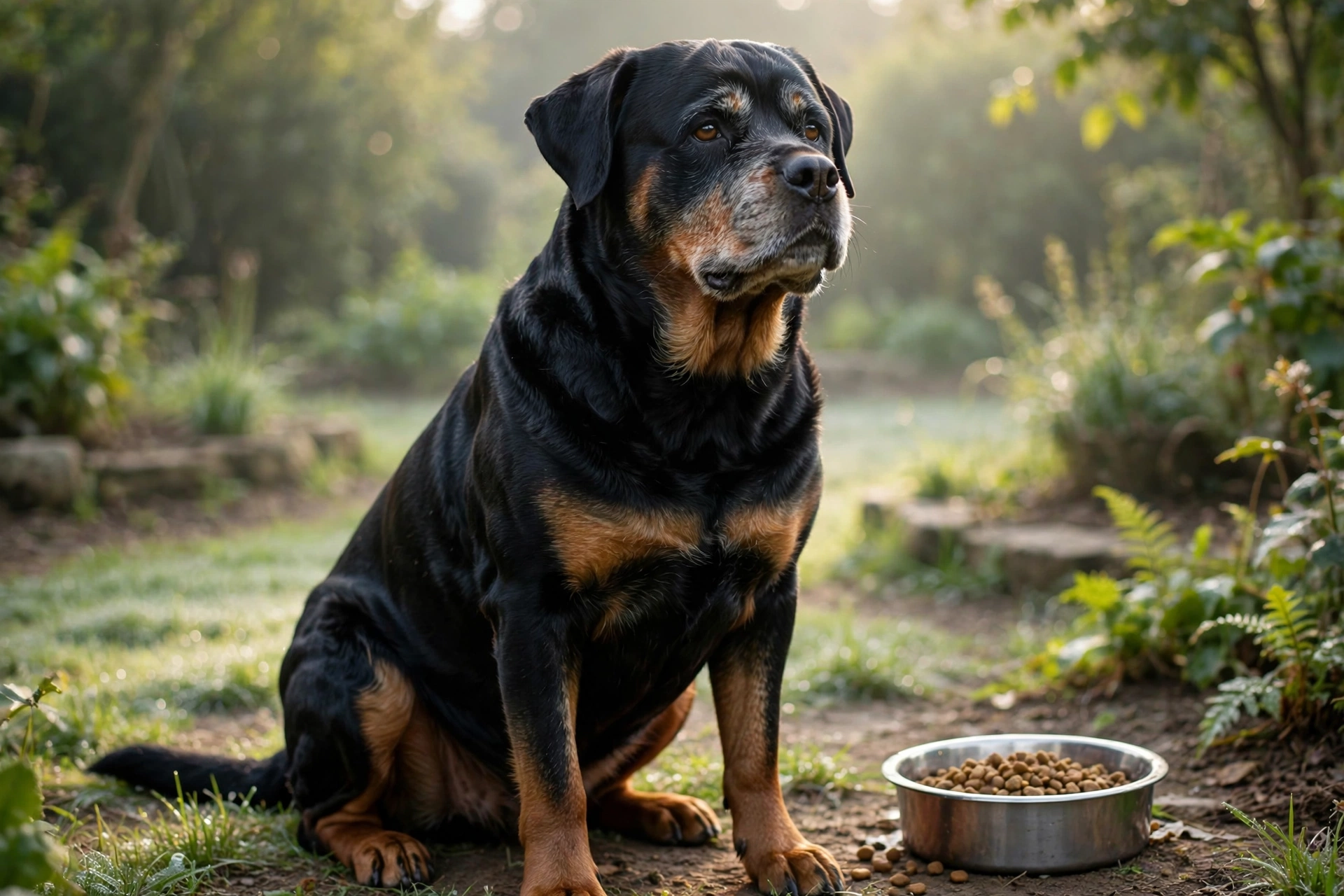
Your Rottweiler has been your shadow for years, the dog who leaned his whole 100-pound body into your legs and somehow made it feel like a hug. Now his muzzle is going gray, he hesitates for a beat before jumping into the car, and he naps a little longer than he used to. Finding the best senior Rottweiler food is one of the most meaningful things you can do for him in this stage of life.
Rottweilers are considered seniors around age seven, and with an average lifespan of just 8 to 10 years, the golden years arrive faster for this breed than most. Aging Rotties need a very specific nutritional shift: more high-quality protein to fight muscle loss (not less, despite the old advice), roughly 15 to 20% fewer calories to match a slowing metabolism, and serious joint, heart, and brain support built right into the recipe.
This guide breaks down exactly what an aging Rottweiler’s body needs, compares the six strongest senior formulas sold in the US for 2026 (chosen through ingredient analysis, brand reputation, and owner reviews) and answers the feeding questions Rottweiler owners ask most. Let’s make those gray-muzzle years count.
For most senior Rottweilers, Hill’s Science Diet Senior 7+ Large Breed is the best overall pick, with glucosamine and chondroitin for hips and elbows. Feed a 100-pound senior about 1,600 to 2,000 calories a day, with 28 to 32% protein to protect muscle. Switch to senior food around age 7, and change foods slowly over 7 to 10 days.
In This Guide
- Key Takeaways
- Quick Comparison
- Hill’s Science Diet Senior 7+ Large Breed Chicken Meal, Barley & Brown Rice
- Purina Pro Plan Bright Mind Large Breed Senior 7+ Chicken & Rice
- VICTOR Purpose Senior Healthy Weight Dry Dog Food
- Royal Canin Large Aging 8+ Dry Dog Food
- Orijen Senior Dry Dog Food
- Blue Buffalo Life Protection Formula Senior Large Breed Chicken & Brown Rice
- What to Look for in Senior Rottweiler Food
- What to Avoid
- How Much to Feed Your Senior Rottweiler
- Pros and Cons
- Our Recommendation
- Helping an Overweight Senior Rottweiler Slim Down Without Losing Muscle
Key Takeaways
- Senior Rottweilers need 28 to 32% protein to preserve muscle. Do not cut protein as they age.
- Look for glucosamine + chondroitin, EPA/DHA omega-3s, taurine, and antioxidants to support aging joints, hearts, and brains.
- Cut total calories by roughly 15 to 20% when switching to senior food to fight Rottweiler obesity.
- Hill’s Science Diet Senior 7+ Large Breed is our best overall pick for balanced senior Rottie nutrition.
- Switch to senior food around age 7, and transition over 7 to 10 days.
Quick Comparison
| Product | Best For | Key Feature |
|---|---|---|
| Hill’s Science Diet Senior 7+ Large Breed | Best overall | Glucosamine + chondroitin with balanced senior nutrition |
| Purina Pro Plan Bright Mind Large Breed Senior 7+ | Brain & joints | Enhanced botanical oils for cognitive alertness |
| VICTOR Purpose Senior Healthy Weight | Weight control | High protein with L-carnitine for lean muscle |
| Royal Canin Large Aging 8+ | Large-breed seniors | EPA/DHA + adapted phosphorus for aging kidneys |
| Orijen Senior | High protein | 38% protein from whole-prey animal ingredients |
| Blue Buffalo Life Protection Senior Large Breed | Natural ingredients | LifeSource Bits + glucosamine, no by-product meals |
Hill’s Science Diet Senior 7+ Large Breed Chicken Meal, Barley & Brown Rice
Hill’s has fed aging dogs for decades, and their senior large-breed formula shows it. The recipe starts with chicken meal, a concentrated, digestible protein source, and pairs it with barley and brown rice for gentle, steady energy. It is formulated specifically for large and giant breeds 7 and older, with glucosamine and chondroitin to support the hips and elbows that Rottweilers are famous for straining.
What stands out here is balance. Natural fibers support an aging digestive tract, omega-6s and vitamin E nourish skin and coat, and vitamins C and E provide antioxidant support for the immune system. The kibble is sized for large jaws but easy to chew. The protein level sits in the mid-20s, which is a touch below the 28 to 32% sweet spot some nutritionists now recommend for seniors, but the formula’s overall nutrient profile, joint support, and long track record keep it at the top of the list. It is also one of the most widely stocked senior foods in the US, so your Rottie won’t face supply surprises.
Best for: Rottweiler owners who want a proven, vet-trusted senior formula with strong joint support.
Key ingredients: Chicken meal, cracked pearl barley, whole grain wheat, whole grain corn, brown rice.
Nutrition: ~24% protein, ~13% fat, ~3.5% fiber.
Purina Pro Plan Bright Mind Large Breed Senior 7+ Chicken & Rice
When a senior Rottweiler starts pacing at night, staring at walls, or forgetting where the door is, that’s canine cognitive decline, and it’s heartbreaking. Pro Plan Bright Mind was built around this exact problem: its enhanced botanical oils (rich in medium-chain triglycerides, or MCTs) promote alertness and mental sharpness in dogs 7 and older.
But this is far more than a brain food. The large-breed formula carries glucosamine and EPA for joint health and mobility, omega-6 fatty acids and vitamin A for skin and coat, and guaranteed live probiotics to support an aging gut and immune system. Chicken leads the ingredient list, delivering the animal protein an aging Rottie’s muscles need. If your senior is showing early signs of slowing down mentally or getting stiff on cold mornings, this is the most targeted formula of the six.
Best for: Senior Rotties showing cognitive slowing or morning stiffness.
Key ingredients: Chicken, barley, brown rice, oat meal, fish oil.
Nutrition: ~28% protein, ~13% fat, ~3% fiber.
VICTOR Purpose Senior Healthy Weight Dry Dog Food
Rottweilers gain weight easily, and a senior Rottweiler carries every extra pound directly on the joints he’s already struggling with. VICTOR’s senior healthy-weight formula is made from the ground up for this problem: it keeps protein high so muscle stays on while calories and fat stay moderate so the waistline comes down.
The recipe is built on beef meal, chicken meal, and pork meal (dense animal proteins) with glucosamine and chondroitin for joint support, plus L-carnitine to help the body convert fat into energy. It includes a full spectrum of vitamins, minerals, and essential fatty acids, and it’s made in VICTOR’s own Texas facility. One honest caveat: the pieces run large and firm, so a senior with worn teeth may need the kibble soaked in warm water first. For a Rottie who has grown pleasantly round in his golden years, this is the formula to choose.
Best for: Overweight senior Rottweilers who need to slim down without losing muscle.
Key ingredients: Beef meal, chicken meal, pork meal, whole grain millet, grain sorghum.
Nutrition: ~27% protein, ~11.5% fat, ~4% fiber.
Royal Canin Large Aging 8+ Dry Dog Food
Royal Canin approaches senior nutrition like an engineer: every nutrient is tuned to what large dogs over 8 actually lose. The formula features an adapted phosphorus content to support aging kidneys (a real concern in large breed) plus EPA and DHA from fish oil to nourish bones and joints, and a targeted antioxidant complex to fight oxidative stress.
The kibble itself is re-engineered for older mouths: larger, easy-to-grip pieces sized for aging large-breed jaws. Protein is kept moderate, and the overall profile is designed for dogs who are slowing down. It’s pricier than grocery-aisle options, and Royal Canin uses some ingredients (like chicken by-product meal) that label-purists dislik, but the brand’s feeding-trial research behind this formula is among the most rigorous in the industry. For owners who want a senior recipe purpose-built for a big aging body, this earns its place.
Best for: Large-breed seniors 8+ needing kidney-conscious, joint-focused nutrition.
Key ingredients: Chicken by-product meal, brewers rice, wheat gluten, corn, chicken fat.
Nutrition: ~28% protein, ~14% fat, ~4% fiber.
Orijen Senior Dry Dog Food
Orijen takes the opposite approach from most senior foods: instead of cutting protein, it goes big: 38% crude protein from a “whole prey” lineup of free-run chicken and turkey, wild-caught fish, and cage-free eggs, including nutrient-dense organs. The logic is sound for Rottweilers: senior dogs lose roughly 1% of lean muscle per year without intervention, and only a protein-rich diet plus gentle exercise slows that loss.
The formula includes freeze-dried raw coatings for palatability, plus DHA and EPA from whole fish for brain and joint support. It is also grain-free, which brings an important caveat: the FDA has investigated a possible link between grain-free diets and dilated cardiomyopathy (DCM) in dogs, and Rottweilers are already a breed with known heart vulnerability (sub-aortic stenosis). Talk with your vet before choosing a grain-free senior diet for a Rottie. For owners who do want maximum protein with their vet’s blessing, Orijen Senior is the benchmark.
Best for: Active senior Rotties whose owners want the highest protein, with vet approval.
Key ingredients: Chicken, turkey, flounder, whole mackerel, turkey giblets, eggs.
Nutrition: ~38% protein, ~15% fat, ~8% fiber.
Blue Buffalo Life Protection Formula Senior Large Breed Chicken & Brown Rice
Blue Buffalo’s senior large-breed recipe earns its spot with a genuinely strong ingredient list: deboned chicken first, no poultry by-product meals, no corn, wheat, or soy, and no artificial flavors or preservatives. The brand’s signature LifeSource Bits, a precise blend of antioxidants, vitamins, and minerals, are cold-formed separately to preserve their potency, supporting immune health in aging dogs.
For a senior Rottie, the formula brings glucosamine and chondroitin for hips and elbows, omega-3 and omega-6 fatty acids for skin, coat, and joint mobility, and L-carnitine to support lean muscle at a healthy weight. It’s gentler on the wallet than the premium European-style formulas while still reading like a top-tier label. If clean ingredients matter to you as much as the nutrient panel, this is your pick.
Best for: Owners who want natural ingredients with strong senior nutrition at a fair price.
Key ingredients: Deboned chicken, chicken meal, brown rice, oatmeal, barley.
Nutrition: ~22% protein, ~12% fat, ~5% fiber.
What to Look for in Senior Rottweiler Food
Senior Rottweilers aren’t just smaller eaters of adult food. Their bodies run a different program. Use this checklist when comparing labels:
- High animal protein (28 to 32%): The single most important shift. Aging dogs lose muscle fast, and only ample, digestible animal protein slows it. Ignore the old advice to cut protein for seniors. Modern nutrition guidance goes the other way.
- Fewer calories: Metabolism slows while appetite often doesn’t. Senior formulas should cut roughly 15 to 20% of calories versus adult recipes to prevent obesity.
- Glucosamine + chondroitin: Rottweilers are prone to hip and elbow dysplasia and cruciate ligament tears. Meaningful joint support in the food, not just trace amounts, matters for this breed.
- EPA and DHA omega-3s: Fish-oil-derived omega-3s support joints, brain, skin, and heart health all at once. Look for named fish oil or fish meal on the label.
- Heart support nutrients: Rottweilers carry a known risk of sub-aortic stenosis. Taurine and L-carnitine on the label are reassuring additions.
- Antioxidants and MCTs: Vitamins C and E, plus medium-chain triglycerides, help defend aging brains and immune systems against oxidative decline.
- Digestible fiber and probiotics: Aging guts slow down. Prebiotic fiber, beet pulp, and live probiotics keep digestion regular.
- AAFCO statement: The label must state the food is formulated to meet AAFCO nutrient profiles for adult maintenance (there is no official AAFCO “senior” profile, so “adult maintenance” on a senior-branded food is normal).
- Moderate sodium and phosphorus: Gentler levels support aging hearts and kidneys.
What to Avoid
- Low-protein “senior” formulas: Anything under ~24% protein works against an aging Rottweiler’s muscle maintenance. Protein restriction is only appropriate if a vet diagnoses kidney disease.
- Same-calorie adult food fed in the same portions: The number-one cause of senior Rottie obesity is feeding adult calories to a senior metabolism. Either switch formulas or cut portions with your vet’s guidance.
- Generic fats and unnamed meat meals: “Animal fat” and “meat meal” tell you nothing about the source. Named proteins (chicken meal, salmon oil) are the standard.
- Excess calcium: Very high calcium levels can interfere with mineral balance in large breeds; senior large-breed formulas are typically already calibrated, so don’t stack extra calcium supplements on top without vet input.
- Sudden food switches: Senior digestive systems punish abrupt changes. Transition over 7 to 10 days, mixing increasing amounts of the new food into the old.
- Ignoring the teeth: If your senior struggles with hard kibble, that’s a dental signal. Soak kibble in warm water or mix in wet food, and have the vet check his mouth.
How Much to Feed Your Senior Rottweiler
A typical 100-pound senior Rottweiler needs roughly 1,600 to 2,000 calories per day, depending on activity level and body condition, about 15 to 20% less than his adult maintenance. Start with the feeding chart on your chosen bag (senior charts already account for the slowdown), then adjust by what you see: you should be able to feel his ribs under a light fat layer and see a visible waist from above.
Most senior Rotties do best on two meals a day rather than one large meal. It steadies energy, eases digestion, and lowers bloat risk, which matters in a deep-chested breed. Weigh him monthly; seniors can drift up or down quietly, and catching a 5-pound change early is far easier than reversing it later. Our senior dog feeding guide goes deeper into portion math by age and weight.
And one habit worth starting now: a short, gentle walk or play session after meals (not before) helps digestion, and regular low-impact movement is the best partner a high-protein diet has for keeping muscle on an aging Rottweiler.
Pros and Cons
Six real US senior formulas cover the main Rottweiler needs, but the list has gaps a buyer should know about. Here is the honest balance.
Pros
- Six real US senior formulas, each tied to a Rottweiler need: balanced nutrition, brain health, weight control, kidneys, high protein, and natural ingredients.
- Protein guidance is stronger than in most rival guides, with a clear 28 to 32% target and the muscle-loss math behind it, plus a warning against the old advice to cut protein.
- Joint, heart, and brain nutrients are covered for every pick, with glucosamine and chondroitin, EPA and DHA omega-3s, and the grain-free and dilated cardiomyopathy warning for this breed.
- A comparison table shortlists all six picks, and the feeding section gives daily calories for a 100-pound senior plus a two-meal routine and monthly weigh-ins.
Cons
- No chicken-free pick: every one of the six formulas contains chicken, so a senior with a chicken sensitivity has no named alternative here.
- No wet food pick, so owners who want to mix wet and dry food or need a soft option for worn teeth have to guess a match themselves.
- No fiber content listed for any pick, even though regularity and feeling full matter more for seniors than for adults.
- No prices or bag sizes anywhere, so comparing the real cost of the six formulas needs a separate store check.
Our Recommendation
most balanced choice, with proven joint support, digestible nutrition, and decades of feeding history behind it. If your Rottie is showing early cognitive slowing or morning stiffness, step up to Purina Pro Plan Bright Mind Large Breed Senior 7+ for its targeted brain-and-joint formula. And if the scale has crept up, VICTOR Purpose Senior Healthy Weight trims calories without trimming the protein his muscles need.
Whatever you choose, pair it with monthly weigh-ins, gentle daily movement, and regular vet checkups. Food is the foundation, but attention is the real anti-aging formula. If you’re comparing beyond the Rottweiler specifically, our best senior dog food roundup covers more top formulas, and our best dog food for Rottweilers guide covers every life stage. For Rotties with touchy stomachs, see our sensitive stomach picks.
This guide is for information only. Check with your vet for your dog’s specific needs.
Helping an Overweight Senior Rottweiler Slim Down Without Losing Muscle
Extra weight is the most common problem in senior Rottweilers, and it worsens every other senior problem. Each extra pound loads the hips and elbows harder, and the breed is already prone to hip and elbow dysplasia and cruciate ligament tears. The fix is a slow, planned cut. Ask your vet to confirm a target weight and rule out a health cause. Then cut daily food by 10 to 20% from the current amount, not from the bag’s top range, and keep protein high at 28 to 32% so the weight lost is fat, not muscle. Keep two meals a day and measure every meal with a cup, since a heaped scoop adds them back. Treats count: keep them under 10% of daily calories, and swap biscuits for small pieces of plain cooked lean meat or a few pieces of kibble taken from the meal itself. Weigh your dog every two weeks and aim for slow loss of 1 to 2% of body weight per month, which is roughly 1 to 2 pounds a month for a 100-pound Rottweiler. If the scale has not moved in a month, trim another 10% and check no one else is slipping extra food. A weight-control formula such as VICTOR Purpose Senior Healthy Weight can help, but measured portions and weigh-ins matter more than the bag. If your dog loses weight fast or seems weak, stop the cut and call your vet.
When should I switch my Rottweiler to senior food?
Most Rottweilers should transition around age 7, since large breeds age faster than small ones. Look for signs like graying muzzle, slowing down on walks, stiffness after rest, or weight gain on the same portions. If your vet notes early joint or heart concerns, they may suggest switching at 6. Switch gradually over 7 to 10 days to avoid digestive upset.
Should senior dog food have more or less protein?
More. Aim for 28 to 32% protein from quality animal sources. Senior dogs lose about 1% of lean muscle per year without intervention, and high protein plus gentle exercise is what slows that loss. The old advice to cut protein for seniors is outdated; only dogs with diagnosed kidney disease need protein restriction, and that decision belongs to your vet.
How much should I feed my senior Rottweiler?
A typical 100-pound senior Rottweiler needs roughly 1,600 to 2,000 calories per day, about 15 to 20% less than his adult maintenance. Start with the feeding chart on the senior food bag and adjust by body condition: you should feel his ribs under a light fat layer. Split food into two meals a day to ease digestion and reduce bloat risk, and weigh him monthly.
What joint nutrients should senior Rottweiler food contain?
Look for glucosamine and chondroitin, which support cartilage and the hips and elbows Rottweilers strain most, plus EPA/DHA omega-3s from fish oil for joint mobility. Many top formulas also add L-carnitine to help maintain lean muscle. Food-level joint support works best alongside a healthy weight, since every extra pound multiplies joint stress.
Is grain-free food good for senior Rottweilers?
Grain-free isn’t necessary for most seniors, and it carries a caution flag for Rottweilers specifically. The FDA has investigated a possible link between grain-free diets and dilated cardiomyopathy, and Rottweilers already have a known heart vulnerability (sub-aortic stenosis). If you want a grain-free formula, discuss it with your vet first.
Can I mix wet food with dry food for my senior Rottie?
Yes. Mixing wet food into kibble (or soaking kibble in warm water) is an excellent strategy for seniors with worn teeth or reduced appetite, since it softens the texture and boosts aroma. Keep the total daily calories the same by reducing the dry portion to compensate. Just transition the mix in gradually so his digestion adjusts.
Why is my senior Rottweiler losing weight?
Gradual muscle loss is normal in aging dogs, but noticeable or rapid weight loss deserves a vet visit, as it can signal dental pain, kidney or liver issues, or other illness. Make sure he’s actually eating enough: seniors sometimes eat less because of tooth pain or reduced smell. If his appetite is fine but he’s still slimming down, get him checked promptly.
How often should I take my senior Rottweiler to the vet?
Twice a year is the standard recommendation for senior dogs, since Rottweilers age quickly and early detection changes outcomes. Senior checkups usually include bloodwork, weight tracking, and joint and heart assessments. Between visits, watch for changes in appetite, mobility, water intake, and bathroom habits.
What should I do if my senior Rottweiler is overweight?
Ask your vet to confirm a target weight first. Then cut daily food by 10 to 20% from the current amount and keep protein high at 28 to 32%, so the weight lost is fat, not muscle. Keep treats under 10% of daily calories and measure every meal with a cup. Weigh your dog every two weeks and aim for slow loss of 1 to 2% of body weight per month. If the scale has not moved in a month, trim another 10%.
How many treats can I give my senior Rottweiler?
Keep treats under 10% of daily calories. For a 100-pound senior eating about 1,600 to 2,000 calories a day, that is 160 to 200 calories of treats. Good choices are small pieces of plain cooked lean meat or a few pieces of kibble taken from the meal itself. Cut the meal portion a little on heavy training days so the total stays the same, and skip table scraps.