Best Senior Shih Tzu Food: 6 Top Picks for Aging Shih Tzus (2026)
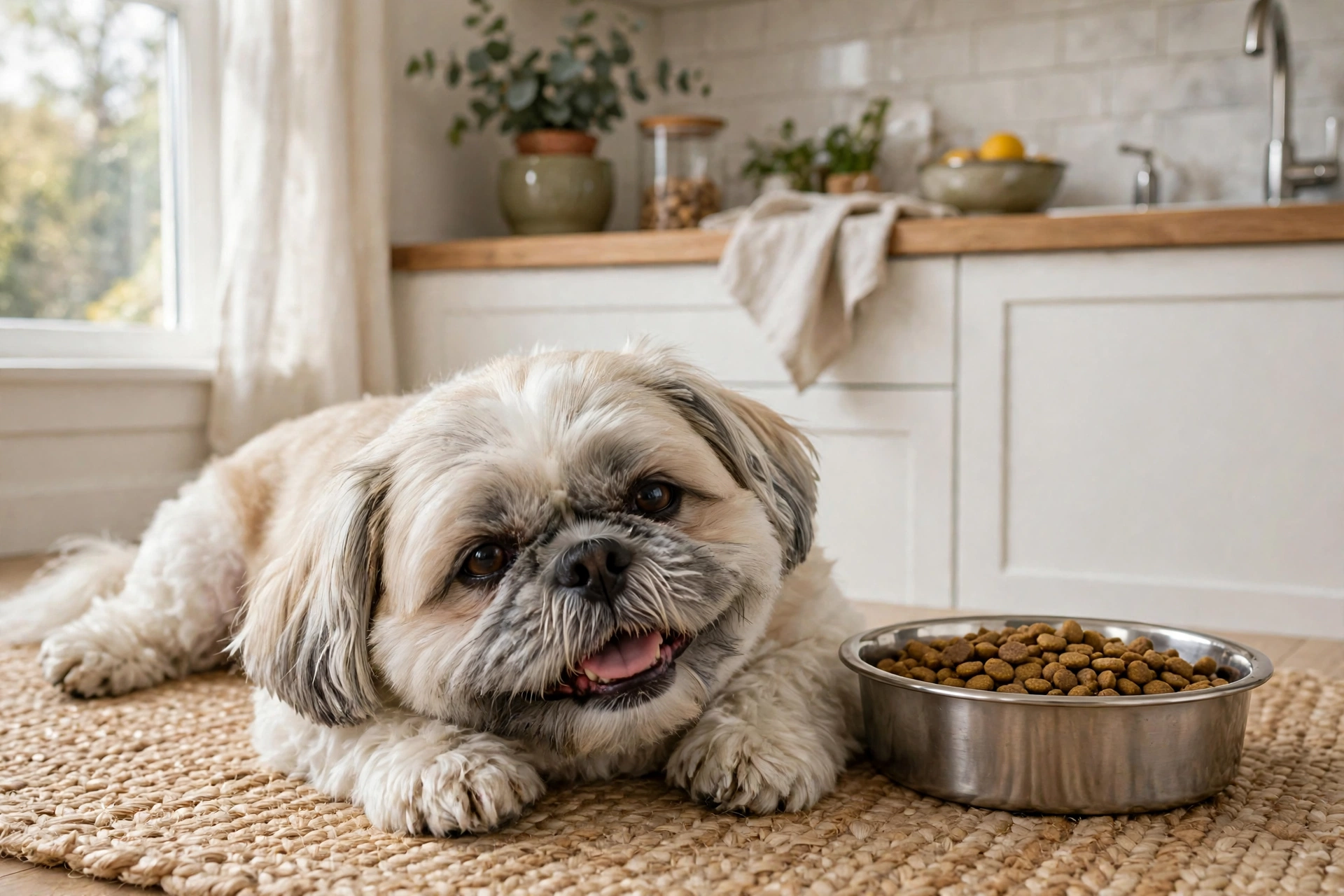
Finding the best senior Shih Tzu food is a little different from picking a generic senior dog food. Shih Tzus are small, long-lived, flat-faced dogs, and in their golden years they often need a small jaw-friendly kibble, plenty of omega fatty acids for the coat, controlled calories, and food their aging teeth can handle. The best senior Shih Tzu food therefore has to do several jobs at once — support joints and muscles, stay easy to chew, keep calories in check, and still taste good enough for a famously picky little dog.
In this guide, we compare six senior-friendly foods that work well for aging Shih Tzus, based on ingredient analysis, brand reputation, and owner reviews, plus a Shih Tzu-specific feeding guide, label advice, and what to avoid. Most Shih Tzus are considered seniors from around 8 to 10 years old, although small breeds often stay sprightly well beyond that.
Key Takeaways
- Senior Shih Tzus need moderate, high-quality protein to protect muscle, controlled calories to prevent weight gain, and joint support such as glucosamine and omega-3 fatty acids.
- Small, flat kibble — or a soft wet food — matters more for Shih Tzus than for most breeds, because their short muzzle and underbite make large kibble hard to pick up and chew.
- Omega-3 and omega-6 fatty acids help the long Shih Tzu coat and skin stay healthy, while prebiotic fibre and highly digestible ingredients support aging digestion.
- There is no single senior food for every Shih Tzu: picky eaters, dogs with few teeth, and dogs carrying extra weight need different formulas, and the table below matches each pick to its best fit.
- Switch foods slowly over 7 to 10 days, measure every meal, and ask your vet before changing diet if your dog has kidney, heart, or dental disease.
Best Senior Shih Tzu Food at a Glance
| Product | Best for | Key feature |
|---|---|---|
| Hill’s Science Diet Adult 7+ Senior Small Paws Chicken Meal, Barley & Brown Rice Recipe | Best overall | Tiny kibble sized for small breeds, balanced senior nutrition |
| Royal Canin Shih Tzu Adult Dry Dog Food | Best breed-specific fit | Kibble shaped for a Shih Tzu’s short muzzle and underbite |
| Purina Pro Plan Complete Essentials Small Breed 7+ Shredded Blend Chicken & Rice Formula | Best for picky eaters | Crunchy kibble plus shredded pieces, live probiotics |
| Blue Buffalo Life Protection Formula Small Breed Senior Chicken & Brown Rice Recipe | Best for joints | Glucosamine and chondroitin in a small-breed senior recipe |
| Nutro Ultra Senior Dry Dog Food with Chicken, Lamb & Salmon | Best superfood blend | Three proteins plus 14 superfoods and antioxidants |
| Hill’s Science Diet Adult 7+ Senior Small Paws Savory Stew Chicken & Vegetables (wet) | Best soft option | Soft, easy-to-eat stew for dogs with dental problems |
Hill’s Science Diet Adult 7+ Senior Small Paws Chicken Meal, Barley & Brown Rice Recipe
Hill’s Science Diet Adult 7+ Senior Small Paws is the most straightforward overall choice for an aging Shih Tzu, because it is built around the two things senior small dogs need most: small kibble and balanced, not extreme, senior nutrition. The first ingredient is chicken meal, a concentrated protein source that helps maintain lean muscle as dogs age, and the recipe adds a blend of vitamins C and E and other antioxidants to support the immune system. Barley and brown rice provide steady, digestible energy without the very high fat levels found in some adult foods.
For Shih Tzus, the small-breed kibble size is a real advantage: seniors with worn teeth or a pronounced underbite can pick up and crunch these pieces far more easily than standard kibble. Calories are also controlled for a slower older metabolism, making weight easier to hold steady. This is the pick to start with for a generally healthy senior that eats reasonably well.
Who it is for: healthy senior Shih Tzus aged 7 and up, especially dogs that are starting to slow down or gain a little weight. One honest trade-off: some owners find the flavour unexciting compared with shredded or wet foods, so if your Shih Tzu is a notorious fuss-pot, pair a small amount of the matching wet stew on top or look at the Purina pick below.
Royal Canin Shih Tzu Adult Dry Dog Food
No other food on this list is made only for Shih Tzus, and that is exactly why Royal Canin Shih Tzu Adult earns its place here — even though it is labelled as an adult food rather than a senior formula. Its standout feature is the kibble itself: it is shaped specifically for a Shih Tzu’s short muzzle and underbite, so an older dog that struggles to pick up round kibble can eat more comfortably. The formula also targets the breed’s best-known traits, with EPA, DHA, vitamin A and a blend of omega-3 and omega-6 fatty acids to support skin health and that long, soft coat, plus highly digestible proteins and precise fibre levels to promote good stool quality and reduce stool odour.
That breed focus comes with a caveat: as an adult formula, it is not calorie-controlled like a dedicated senior food. It can still suit a healthy-weight, active senior that does best on breed-specific kibble, but if your dog is overweight, has kidney issues, or your vet has recommended a senior diet, the Hill’s Small Paws pick is the safer default.
Who it is for: senior Shih Tzus that are a healthy weight, love their breed-specific kibble, and mainly need help with chewing, coat, and digestion rather than weight control. It is also a good mixed-feeding partner: many owners feed this dry food with the Royal Canin Shih Tzu Adult Loaf in Sauce wet food to add moisture and aroma.
Purina Pro Plan Complete Essentials Small Breed 7+ Shredded Blend Chicken & Rice Formula
Shih Tzus have a well-earned reputation for pickiness, and that fussiness often gets worse with age, when smell and appetite fade. Purina Pro Plan Complete Essentials Small Breed 7+ Shredded Blend tackles that problem head-on with texture: bite-sized kibble mixed with shredded chicken pieces, so the bowl smells and feels more interesting than plain kibble. Real chicken is the first ingredient, and the formula is designed for dogs under 25 pounds entering their senior years, with glucosamine and EPA for joint health and live probiotics to support digestive health and gut resilience during stressful times such as vet visits or household changes.
The bite-sized pieces are easier to chew for a small senior mouth, and the calcium and phosphorus balance supports bones and teeth. The shredded texture often gets a reluctant dog interested in dinner again, though the pieces can settle at the bottom of the bag, so shake it before serving. Calorie density is on the higher side for a senior food, so measure carefully — great for a lean, fussy senior, less obvious for one already overweight.
Who it is for: picky senior Shih Tzus, dogs that have gone off plain kibble, and seniors that need a little extra encouragement — and calories — at mealtimes.
Blue Buffalo Life Protection Formula Small Breed Senior Chicken & Brown Rice Recipe
If your senior Shih Tzu is starting to hesitate at the stairs, take longer to get up after a nap, or lag behind on walks, joint support deserves to be high on your list. Blue Buffalo Life Protection Formula Small Breed Senior is built for that stage of life: real chicken is the first ingredient, and the recipe adds glucosamine and chondroitin for joint health, omega-3 and omega-6 fatty acids for skin and coat, and the brand’s LifeSource Bits — a blend of antioxidants, vitamins, and minerals — for immune support. It is formulated without chicken or poultry by-product meals, corn, wheat, or soy, which suits owners who prefer a cleaner ingredient list.
The small-breed sizing matters too: kibble made for dogs under about 25 pounds suits a Shih Tzu’s mouth, and trimmed calories help with the weight gain that so often makes stiff joints worse. Every extra pound adds strain to aging joints, so a food that helps on both fronts is doing double duty. The main drawback is bag size — commonly 5 pounds — so multi-dog households will reorder often.
Who it is for: senior Shih Tzus showing early stiffness, slowing down on walks, or carrying a little extra weight that is making movement harder.
Nutro Ultra Senior Dry Dog Food with Chicken, Lamb & Salmon
Nutro Ultra Senior takes a different approach from the other foods here: instead of one main protein, it combines chicken, lamb, and salmon, and pairs them with a blend of 14 superfoods including chia seed, coconut, kale, pumpkin, spinach, blueberries, and apples. The idea is variety — different amino acid profiles from three proteins, plus antioxidants from fruits and vegetables — in a senior recipe that still includes glucosamine and chondroitin for joints. It contains no corn, wheat, soy, or chicken by-product meal, and owners often praise it for palatability, which is no small thing with a senior Shih Tzu that has decided dinner is optional.
Two things to weigh: it is not small-breed-specific, so the kibble is larger than the Hill’s Small Paws or Blue Buffalo pieces — fine for a senior with good teeth, less ideal with significant dental disease. And it is commonly sold in larger bags, which stay open longer for a dog eating only a cup a day, so store it sealed and buy small while testing it.
Who it is for: healthy senior Shih Tzus with good teeth, owners who want a varied three-protein diet with antioxidant-rich ingredients, and dogs that have grown bored of single-protein foods.
Hill’s Science Diet Adult 7+ Senior Small Paws Savory Stew Chicken & Vegetables (Wet)
For the senior Shih Tzu that has lost teeth, has a sore mouth, or simply refuses dry food, a wet food is not a compromise — it is often the kindest and most practical choice. Hill’s Science Diet Adult 7+ Senior Small Paws Savory Stew comes in small 3.5-ounce cans that suit a small dog’s appetite, so you are not storing half-used cans in the fridge for days. The soft stew texture needs almost no chewing, it smells stronger than dry kibble (which helps dogs whose sense of smell has faded), and it adds moisture to the diet, which is helpful for older dogs that do not drink enough.
Nutritionally it mirrors the dry Small Paws senior recipe: chicken protein for lean muscle, prebiotic fibre from beet pulp for digestion, and vitamins C and E for immune support. It works on its own for a dog that cannot manage kibble, or as a topper — a spoonful stirred through dry food can transform a boring bowl. Trade-offs are the usual wet-food ones: higher cost per calorie, no teeth-cleaning crunch, and opened cans must be refrigerated and used promptly.
Who it is for: senior Shih Tzus with missing or painful teeth, dogs recovering from dental work, very picky seniors, and any older Shih Tzu that needs extra moisture in its diet.
How Much Should a Senior Shih Tzu Eat?
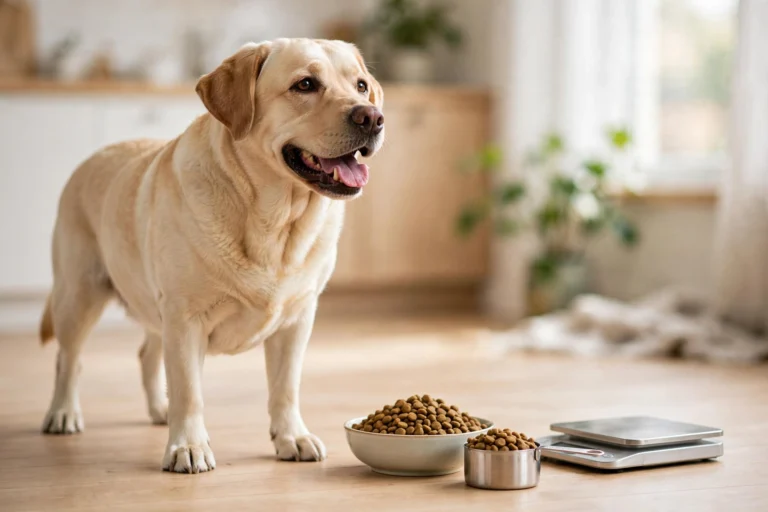
Senior Shih Tzus usually weigh 9 to 16 pounds and need roughly 300 to 450 calories a day depending on weight and activity — but the bag’s feeding guide for your dog’s exact weight is the starting point, not the final answer. Small breeds burn calories faster per pound than large dogs, yet senior Shih Tzus are often far less active than they were, so overfeeding is easy. Measure food, split it into two meals a day, and adjust by about 10 percent at a time: you should feel the ribs under a thin layer of fat, but not see them prominently, and your dog should have a visible waist from above.
| Senior Shih Tzu weight | Typical daily amount (dry food) | Notes |
|---|---|---|
| 9–11 pounds, less active | About 1/2 to 3/4 cup | Split into two meals; watch treats, which count toward the daily total |
| 12–14 pounds, moderately active | About 3/4 to 1 cup | The most common range for a healthy senior Shih Tzu |
| 15–16 pounds or overweight | Follow your vet’s target, not the bag | Ask about a weight-loss plan before cutting portions sharply |
Treats deserve a special mention: training treats, dental chews, and table scraps can easily add 100 calories or more to a small dog’s day — a quarter of its entire intake. Keep treats under 10 percent of daily calories and count them. Unexplained weight loss, much higher water intake, or regular vomiting are reasons to book a vet visit, not just change the food.
Buying Guide: What to Look for in a Senior Shih Tzu Food
Start with protein. Older dogs do not need less protein — in fact, many vets now caution against very low-protein senior diets for healthy older dogs, because muscle loss is one of the biggest threats to an aging dog’s mobility. Look for a named animal protein (chicken, lamb, salmon, or turkey) as the first ingredient, and a protein level in the mid-20s percent range for a dry food. If your vet has diagnosed kidney disease, the advice changes — phosphorus and protein may need to be restricted — so follow their guidance over any general guide, including this one.
Next, check fat and calories: senior Shih Tzus gain weight easily, so a moderate fat level and a clear calorie count per cup help you portion accurately. Fibre and prebiotics such as beet pulp support slower, more sensitive digestion, while glucosamine, chondroitin, and EPA/DHA support joints, and omega-3 and omega-6 fatty acids support skin and coat. Finally, check for an AAFCO statement saying the food is complete and balanced for adult maintenance or all life stages — your basic assurance that the recipe is nutritionally complete.
Kibble size deserves as much attention as the ingredient list for this breed. A flat-faced senior with an underbite and worn teeth will eat better, and waste less, on small kibble or soft wet food than on large, hard pieces. If your Shih Tzu drops kibble or suddenly prefers wet food, take it as information, not fussiness: it may be time for a softer texture or a dental check.
What to Avoid
Avoid foods that rely on vague ingredients such as “meat meal” or “animal fat” without naming the source, and be sceptical of senior foods that are mostly filler — corn, wheat, and soy are not harmful in themselves, but they should not crowd out animal protein at the top of the list. Avoid very high-fat foods for an inactive senior, and avoid grain-free diets unless your vet has identified a specific grain sensitivity: grain-free became popular on the back of marketing rather than evidence, and the FDA has investigated a possible link between some grain-free diets and heart disease, so there is no reason to choose grain-free by default for a healthy senior Shih Tzu.
Also avoid sudden diet changes, unmeasured free-feeding (a full bowl left down all day makes weight control almost impossible for a small dog), and toxic human foods such as onions, garlic, grapes, raisins, xylitol-sweetened products, and cooked bones. Raw and homemade diets need careful balancing, especially for seniors, so do not switch without veterinary guidance — and be wary of any food claiming to cure arthritis or kidney disease.
Switching to a Senior Food Safely
Switch over 7 to 10 days, not overnight. Start with roughly three-quarters old food and one-quarter new food for two or three days, move to half and half, then three-quarters new, then fully new — slowing down or stepping back a stage if loose stools appear. Adding a spoonful of warm water to dry kibble can soften it slightly and release more aroma, which helps older dogs with fading smell or tender teeth. Keep the feeding routine consistent: same place, same times, and a quiet spot away from household chaos, since stress alone can put a senior Shih Tzu off its food.
Give any new food three to four weeks before judging it, unless your dog reacts badly — vomiting, diarrhoea lasting more than a day or two, or complete refusal to eat are reasons to stop and call your vet. Track appetite, stool quality, weight, coat, and energy on walks: those five observations tell you far more than the bag’s marketing.
Conclusion: Our Recommendation
For most senior Shih Tzus, Hill’s Science Diet Adult 7+ Senior Small Paws Chicken Meal, Barley & Brown Rice Recipe is the best place to start: it is a true small-breed senior formula, with tiny kibble, controlled calories, and balanced nutrition for aging dogs. If your Shih Tzu struggles to pick up kibble or you want a breed-specific recipe, Royal Canin Shih Tzu Adult is the best alternative for a healthy-weight senior. Picky eaters will do best on the Purina Pro Plan Shredded Blend, dogs with stiff joints on Blue Buffalo Small Breed Senior, and dogs that cannot manage dry food at all on the Hill’s Small Paws Savory Stew wet food.
Whichever you choose, the best senior Shih Tzu food is the one your dog eats happily, digests well, and holds a healthy weight on — not the priciest one. Measure meals, keep treats small, switch slowly, and keep your vet in the loop. This guide is for information only — check with your vet for your dog’s specific needs.
If you are still feeding an adult formula, our guide to best dog food for Shih Tzus covers the breed’s needs at every age, and our Shih Tzu feeding guide explains portions and schedules in more depth. Senior Shih Tzus with delicate stomachs may also benefit from our best food for Shih Tzu with sensitive stomach picks, and for the bigger picture on aging dogs, see our best senior dog food guide.
When is a Shih Tzu considered a senior?
Most Shih Tzus are considered seniors from around 8 to 10 years old. Small breeds often live into their mid-teens, so age alone is not the whole story — slowing down, weight gain, stiffer joints, or dental problems are also signs it is time to discuss a senior formula with your vet.
How much should a senior Shih Tzu eat per day?
Most senior Shih Tzus need roughly 300 to 450 calories a day, or about 1/2 to 1 cup of dry food split into two meals, depending on weight and activity. Always start from the feeding guide for your dog’s weight, measure every meal, and adjust by about 10 percent at a time based on weight and body condition.
What is the best food for a senior Shih Tzu with missing teeth?
A soft wet food, such as Hill’s Science Diet Adult 7+ Senior Small Paws Savory Stew, is usually best, because it needs almost no chewing and smells stronger than dry kibble. You can also soften small-breed kibble with a little warm water, or mix wet and dry food if your dog still manages some kibble.
Do senior Shih Tzus need less protein?
Not necessarily. Healthy older dogs still need good-quality protein to protect muscle, and very low-protein diets can speed up muscle loss. A protein level in the mid-20s percent range suits most healthy seniors, but dogs with kidney disease may need a restricted diet, so follow your vet’s advice.
Is grain-free food better for senior Shih Tzus?
No, not by default. Grain-free diets suit dogs with a diagnosed grain sensitivity, but for a healthy senior there is no proven advantage, and some grain-free diets have been investigated for a possible link to heart disease. Choose a food on its overall ingredients and your dog’s response, not on grain-free labelling alone.
Can I keep feeding adult Shih Tzu food to my senior dog?
You can for a while, especially a breed-specific food such as Royal Canin Shih Tzu Adult, but a dedicated senior formula is usually better once your dog slows down or gains weight, because it controls calories and adds joint and immune support. Ask your vet about timing if your dog is over 10.
How often should I feed a senior Shih Tzu?
Twice a day is ideal for most senior Shih Tzus — a morning and an evening meal, measured out each time. Two smaller meals are easier on aging digestion than one large meal, and they make it simpler to spot a change in appetite early.
What should I do if my senior Shih Tzu suddenly stops eating?
Do not just switch foods and hope. A sudden loss of appetite can mean dental pain, nausea, kidney problems, or another illness, so book a vet visit promptly, especially if it lasts more than a day or comes with vomiting, diarrhoea, lethargy, or weight loss.
One Comment