
Best Dog Food for Cane Corsos: 6 Top Picks (2026)
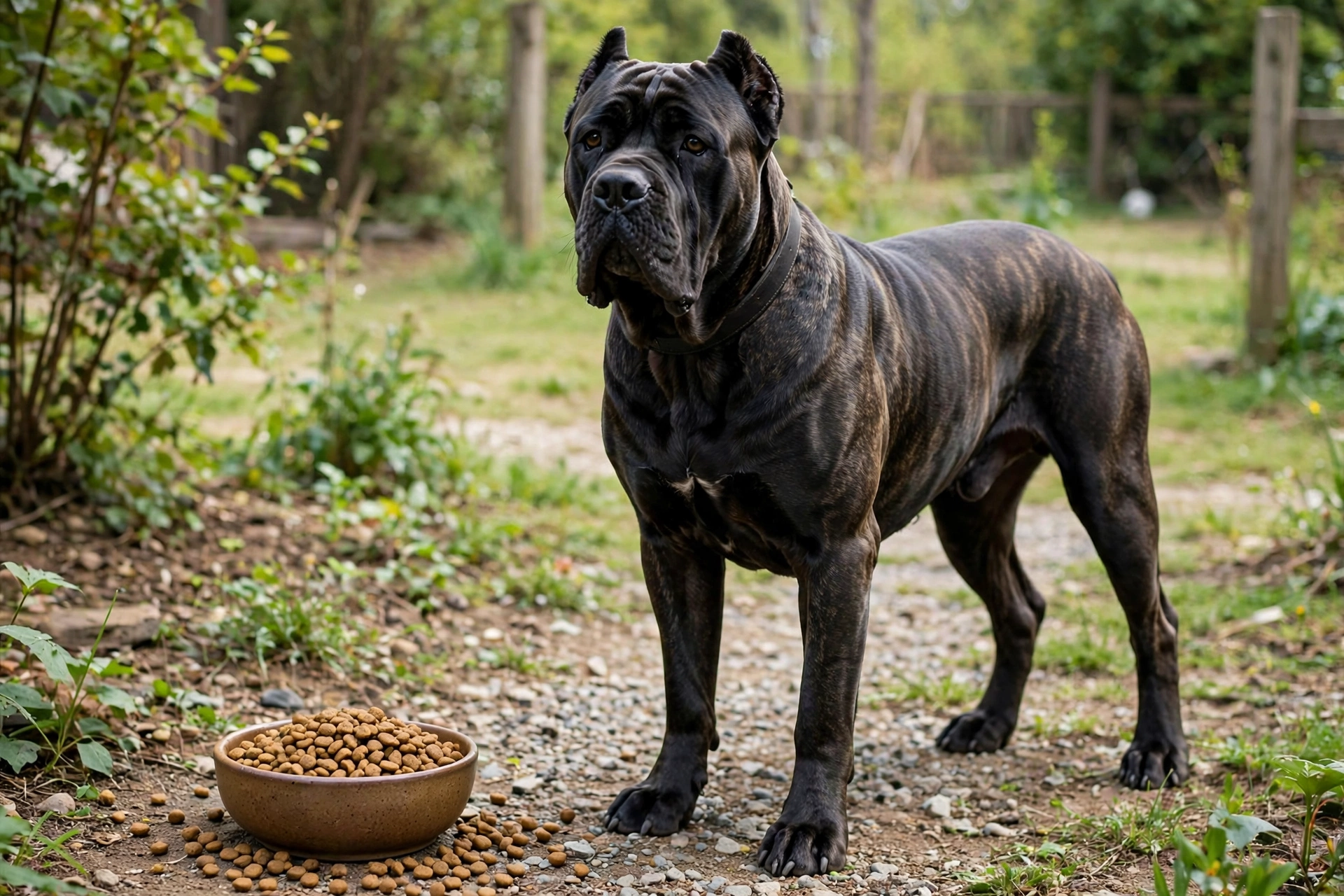
A Cane Corso is not a dog you can feed on autopilot. Adults commonly weigh 90 to 120 pounds, carry a lot of muscle, and put serious daily load on their hips, elbows, and digestive system. The best dog food for Cane Corsos therefore has to do several jobs at once: supply enough high-quality protein to maintain lean muscle, deliver steady energy without piling on excess weight, support joints, and stay gentle enough on the stomach for a breed that can be prone to digestive upset and bloat.
This guide compares six adult formulas that fit those needs, based on ingredient analysis, brand reputation, and owner reviews. You will find a quick comparison table, an honest look at each pick, a buying guide for giant-breed nutrition, and the mistakes worth avoiding. Whether your Corso is a calm house companion or a working, high-energy dog, one of these foods should fit — and the buying guide will help you adjust portions as your dog’s weight and activity change.
Key Takeaways
- Look for a named animal protein first, with an adult giant- or large-breed formula behind it — not a generic all-life-stages kibble by default.
- Joint support matters at this size: glucosamine, chondroitin, and omega-3 fatty acids are worth seeking out, especially for dogs over 90 pounds.
- Calories need managing: Cane Corsos gain weight easily when overfed, so measure food, watch body condition, and adjust rather than feeding by the bag alone.
- Digestibility counts: steady stools, a healthy coat, and good energy over several weeks tell you more than any single ingredient claim.
- Switch foods gradually over 7 to 10 days to avoid stomach upset, and keep fresh water available at all times.
Best Dog Food for Cane Corsos at a Glance
| Product | Best for | Key feature |
|---|---|---|
| Royal Canin Giant Breed Adult Dry Dog Food | Overall giant-breed support | Formulated for dogs over 100 pounds, with glucosamine, chondroitin, and EPA/DHA |
| Purina Pro Plan Large Breed Adult Chicken & Rice | Active adult Corsos | Chicken first, with live probiotics for digestive health |
| Hill’s Science Diet Large Breed Adult | Dependable everyday value | Balanced large-breed nutrition with natural sources of glucosamine and chondroitin |
| Blue Buffalo Life Protection Formula Large Breed Adult | Joint and immune support | Lamb first, plus LifeSource Bits and L-carnitine for lean muscle |
| Wellness CORE Grain-Free Large Breed | Grain-free, high-protein feeding | Deboned chicken and turkey meals, with glucosamine, chondroitin, and probiotics |
| VICTOR Hi-Pro Plus | Highly active and working dogs | 30% protein and 20% fat multi-meat formula for sustained energy |
Royal Canin Giant Breed Adult Dry Dog Food
Royal Canin Giant Breed Adult is built specifically for giant dogs weighing over 100 pounds and aged two years and older, which puts most adult Cane Corsos squarely in its target group. That specificity is its main strength: rather than stretching a medium-breed recipe to fit a very large dog, the formula is designed around giant-breed bone, joint, and digestive needs.
The ingredient profile pairs good-quality proteins with a blend of digestible and non-digestible fibers for digestive health, plus glucosamine, chondroitin, and EPA/DHA to support bones and joints. An antioxidant blend supports cellular health. For a breed where hip and elbow problems are a genuine concern, that joint-focused package is a meaningful advantage, not a garnish.
Two practical notes: the kibble is large, which suits most Corsos but may not suit every dog, and this is a premium-priced food. If your Corso is already showing stiffness or comes from lines with joint issues, this is the first formula to discuss with your vet. Based on ingredient analysis, brand reputation, and owner reviews, it is the most complete giant-breed fit on this list.
Purina Pro Plan Large Breed Adult Chicken & Rice
Purina Pro Plan Large Breed Adult is a strong all-rounder for the active adult Corso. Real chicken is the first ingredient, giving it a solid protein base for muscle maintenance, and the formula includes live probiotics, which many owners value for digestive consistency in a breed with sensitive stomachs.
It is also a practical choice: widely available in the US, sold in large bags that make sense for a dog eating several cups a day, and priced below the most premium giant-breed recipes. The rice-based carbohydrate blend is generally easy on digestion, and the overall nutrient balance suits moderately active dogs that need steady energy without excessive fat.
Where it falls short of the top pick is specificity — it is a large-breed formula, not a giant-breed one, so dogs at the very top of the weight range may benefit from the extra joint support of a dedicated giant recipe. For a healthy, active adult Corso at a good weight, however, it is hard to beat for value and consistency.
Hill’s Science Diet Large Breed Adult
Hill’s Science Diet Large Breed Adult is the dependable, research-backed option on this list. It offers balanced large-breed nutrition at a more accessible price than premium giant-breed foods, and it has a long track record with large dogs in the US. For owners who want a safe, well-formulated everyday food without a subscription or a specialty price tag, this is an easy recommendation.
The formula uses natural sources of glucosamine and chondroitin for joint health, balanced minerals, and a digestible ingredient base. It is not the highest-protein food here, and that is actually a point in its favor for less active or weight-prone Corsos: moderate protein with controlled calories is easier to manage than a very rich performance formula for a dog that mostly lounges between walks.
If your Corso is an average-activity adult and you want one food you can buy anywhere and stick with, start here and judge it over four to six weeks on weight, coat, stool quality, and energy.
Blue Buffalo Life Protection Formula Large Breed Adult
Blue Buffalo Life Protection Formula Large Breed Adult leads with real lamb, which suits Corsos that do better on a non-chicken protein, and adds glucosamine and chondroitin for joint support. L-carnitine helps support lean muscle and weight management, which matters for a breed that can quietly gain a few pounds and carry them on already-loaded joints.
The formula also includes Blue Buffalo’s LifeSource Bits — small, nutrient-rich pieces blended with antioxidants, vitamins, and minerals for immune support — and it avoids chicken by-product meals, corn, wheat, and soy. That cleaner ingredient list appeals to owners whose Corsos have food sensitivities, though lamb will not suit every picky eater.
Choose this one if joint support and immune nutrition are your priorities and your dog does well on lamb, or if chicken-based foods have not agreed with them in the past.
Wellness CORE Grain-Free Large Breed
Wellness CORE Grain-Free Large Breed is the grain-free, high-protein option for Corsos that do better without grains. Deboned chicken, chicken meal, and turkey meal give it a strong protein base — around 34% protein — and the large kibble size suits a big mouth, encouraging chewing rather than gulping.
It also covers the giant-breed essentials: glucosamine and chondroitin for joints, probiotics for digestion, antioxidants for immune health, and omega-3 and omega-6 fatty acids for skin and coat. The grain-free recipe uses lentils and peas rather than grains for carbohydrate energy, which some owners prefer for dogs with grain sensitivities.
A word of caution applies to all grain-free feeding: talk to your vet about it, especially if your dog has any heart concerns, since the grain-free debate is not settled. For healthy adult Corsos that have done well on grain-free food before, this is one of the best-formulated large-breed options available.
VICTOR Hi-Pro Plus
VICTOR Hi-Pro Plus is the performance pick. With 30% protein and 20% fat from a multi-meat formula — beef, chicken, pork, and fish meals — and around 535 calories per cup in some listings, it is built for dogs that burn a lot of energy: working Corsos, dogs in regular training or sport, and very active young adults.
That calorie density is both its strength and its warning label. An active Corso will thrive on it; a couch-potato Corso will gain weight on it quickly if portions are not cut back. It is also an all-life-stages formula made in the US, which makes it versatile, but adult Corsos with weight problems should look at the leaner options above first.
Use this formula when your dog’s workload genuinely demands it — long hikes, protection or obedience training, farm work — and measure portions carefully, adjusting every few weeks based on body condition.
Buying Guide: What to Look for in Cane Corso Food
Protein: quality first, then amount
Adult Corsos need enough protein to hold muscle, but the source matters more than a headline percentage. Look for a named meat or meat meal — chicken, lamb, beef, or fish — as the first ingredient, and preferably a second animal protein further down the list. Vague terms like “meat by-products” as the main protein are a reason to keep shopping. Most healthy adults do well in the mid-20s to low-30s protein range; higher is not automatically better, especially for less active dogs.
Fat and calories: match the dog, not the bag
Fat is the main lever for calories. A moderately active adult Corso often needs roughly 1,800 to 2,400 calories a day depending on weight and activity, but that range is wide — neutered, older, or less active dogs need less, and working dogs need more. Start with the bag’s guideline for your dog’s weight, then adjust by body condition: you should be able to feel ribs under a thin fat layer without seeing them prominently, and your dog should have a visible waist from above.
Joint support: non-negotiable at this size
At 90-plus pounds, every step loads the joints. Glucosamine and chondroitin are the most common joint-support additions, and omega-3s from fish oil (EPA/DHA) help as well. A food that includes them is preferable to adding supplements blindly, but supplements are not a substitute for weight control — keeping your Corso lean is the single most effective joint-protective step you can take.
Fiber and digestibility
Digestible carbohydrates such as rice, barley, and oatmeal, plus moderate fiber from beet pulp, pumpkin, or chicory root, tend to produce firmer, more predictable stools. Probiotics and prebiotic fiber can help dogs with sensitive stomachs, but if loose stools persist for more than a few days on a new food, check with your vet rather than cycling through foods every week.
AAFCO statement: the minimum check
Every food you buy should carry an AAFCO statement confirming it is complete and balanced for adult maintenance (or all life stages). That statement is the baseline quality check — without it, no ingredient list, however impressive, is enough. Also check that the formula is sold in the US through normal retail channels, so you can buy it consistently rather than relying on an import that may disappear.
What to Avoid
- Feeding a puppy formula into adulthood: Large-breed puppy foods are formulated for controlled growth. Keeping an adult Corso on one long-term risks excess calories and minerals the adult dog no longer needs.
- Guessing portions: “About a bowl” is how Corsos gain weight. Use a measuring cup, split food into two meals a day, and reassess monthly.
- One big meal a day: Large, deep-chested breeds face a higher bloat risk. Two smaller meals, a slow-feeder bowl if your dog gulps, and no vigorous exercise right after eating all help.
- Endless food switching: Changing foods every few weeks never gives any formula a fair trial and often causes the very stomach upset you are trying to fix. Give a new food at least four weeks unless it is clearly causing problems.
- Calorie-heavy extras: Treats, table scraps, and training rewards add up fast in a dog this size. Keep treats to around 10% of daily calories.
- Ignoring weight creep: A few extra pounds on a Corso load the joints and shorten the comfortable, active years. Weigh your dog regularly and act early.
How Much to Feed, and How to Switch
Most adult Corsos do best on two meals a day — morning and evening — rather than one large meal. The bag’s feeding chart is a starting point only: start there, watch body condition over two to three weeks, and adjust up or down by about 10% at a time. Active dogs, intact dogs, and dogs in cold weather generally need more; older or neutered dogs generally need less.
When switching foods, mix the new food in gradually over 7 to 10 days: roughly a quarter new food for a few days, then half, then three-quarters, then fully switched. If stools loosen, slow the transition rather than abandoning it. And if your Corso refuses a new food outright for more than a day, or shows vomiting, diarrhea, or lethargy, stop and talk to your vet.
Conclusion: Our Recommendation
For most adult Cane Corsos, Royal Canin Giant Breed Adult is the best starting point: it is the only pick here designed specifically for dogs over 100 pounds, and its joint, digestive, and antioxidant package matches the breed’s biggest needs. If budget matters more, Hill’s Science Diet Large Breed Adult gives you dependable nutrition at a lower price. If your Corso works hard, VICTOR Hi-Pro Plus has the calories and protein to keep up — with careful portion control.
Whichever you choose, judge it the same way: consistent weight, firm stools, a healthy coat, good energy, and a dog that is keen to eat it. Give it a full month before deciding, keep portions measured, and adjust as your dog’s life changes. For comparison, our guides to best dog food for Rottweilers, best dog food for German Shepherds, best dog food for Labradors, and best dog food for Doberman Pinschers cover similar giant- and large-breed trade-offs.
As your Corso reaches senior age, our guide to best senior cane corso food explains how senior formulas adjust protein, calories, and joint support.
This guide is for information only — check with your vet for your dog’s specific needs.
What is the best dog food for a Cane Corso?
Royal Canin Giant Breed Adult is the best overall starting point for most adult Corsos, with Hill’s Science Diet Large Breed Adult as the best value alternative; the right choice depends on your dog’s weight, activity, and stomach.
How much should I feed my Cane Corso?
Most adults need roughly 1,800 to 2,400 calories a day depending on weight and activity, split into two meals; start with the bag guideline and adjust by body condition.
Do Cane Corsos need large-breed or giant-breed food?
A giant-breed formula is ideal for adults over 100 pounds, since it targets joint and bone support; a large-breed formula works well for smaller or less heavy adults.
Is grain-free food good for Cane Corsos?
Some Corsos do well grain-free, but it is not automatically better; discuss it with your vet, especially if your dog has heart concerns.
What ingredients help a Cane Corso’s joints?
Glucosamine, chondroitin, and omega-3 fatty acids (EPA/DHA) support joints, but keeping your dog lean matters most.
Should I feed my Cane Corso once or twice a day?
Twice a day is better: two smaller meals reduce bloat risk in this deep-chested breed and help with portion control.
When should a Cane Corso switch from puppy to adult food?
Most Corsos move to adult food around 18 to 24 months, once growth slows; ask your vet for your dog’s exact timing.
How do I switch my Cane Corso to a new food?
Mix it in gradually over 7 to 10 days, from a quarter new food up to fully switched, and slow down if stools loosen.





5 Comments