
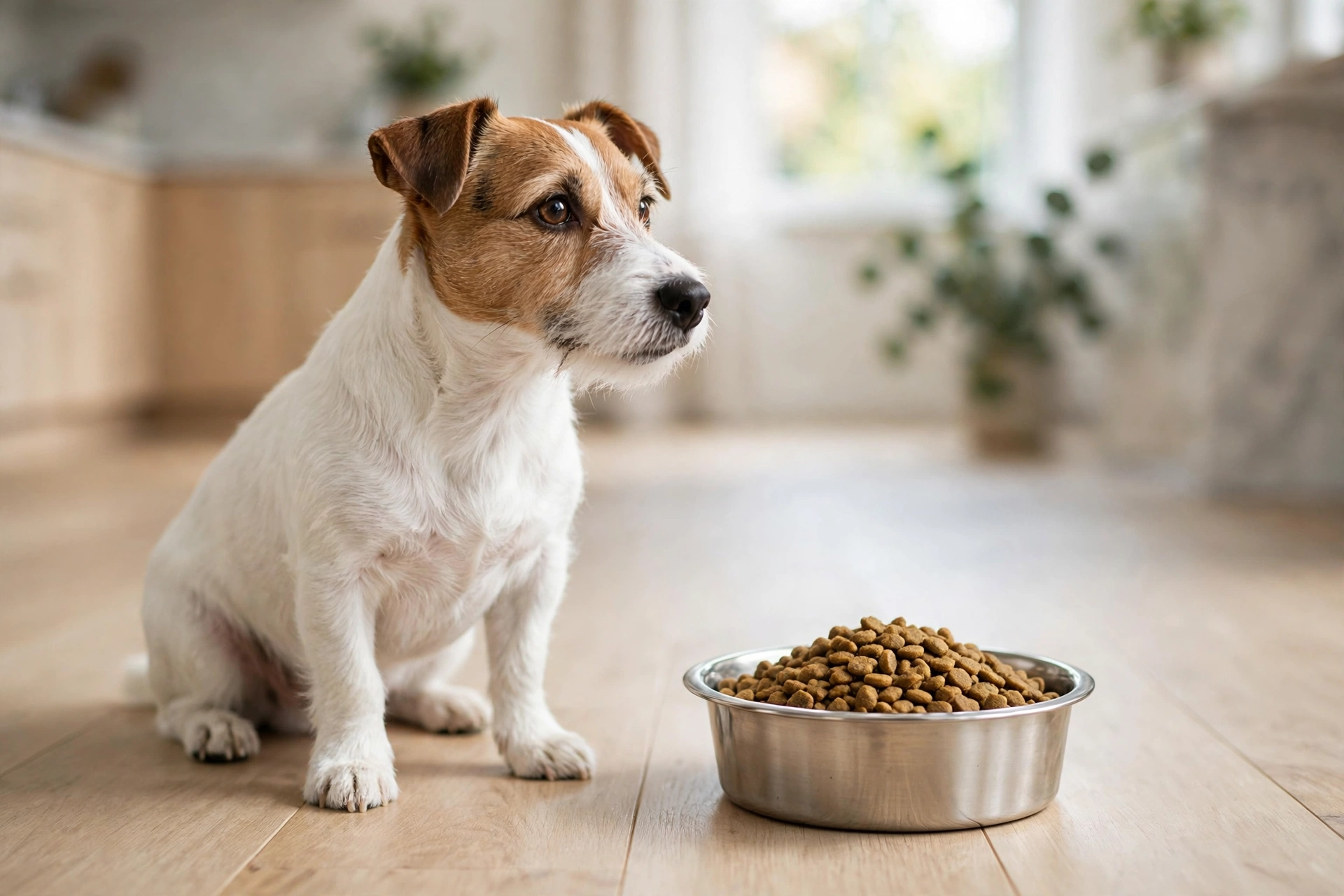
Best Weight Management Dog Food for Small Breeds: 6 Top Picks (2026)
Small dogs gain weight faster than most owners realize. A few extra treats, a slightly overfilled scoop, or a skipped walk can add up quickly when your dog only weighs 8 pounds, and just one extra pound on a small dog is like 10 to 15 extra pounds on an average adult human. The best weight management dog food for small breeds tackles that math directly: controlled calories, enough protein to protect lean muscle, filling fiber, and kibble sized for small mouths.
In this guide, I compare six weight management foods made for small breeds or well suited to them, explain what to look for on the label, and show you how to portion food so the weight actually comes off. Whether your Chihuahua, Shih Tzu, Pug, Dachshund, or Yorkie needs to lose a little or a lot, you will find a practical pick here.
Hill’s Perfect Weight Small & Mini is the best starting point for most small dogs, with small breed kibble, 358 calories per cup, and trial evidence behind it. Picky dogs do better on Purina Pro Plan Small Breed Weight Management. Feed for the ideal weight, keep treats under 10 percent of daily calories, and weigh your dog every two weeks.
Table of Contents
- Key Takeaways
- Best Weight Management Dog Food for Small Breeds: Comparison
- Hill’s Science Diet Perfect Weight Small & Mini Breeds, Chicken Recipe
- Purina Pro Plan Small Breed Weight Management, Shredded Blend Chicken & Rice
- NUTRO ULTRA Adult Weight Management Small Breed
- Blue Buffalo Life Protection Formula Small Breed Healthy Weight, Chicken & Brown Rice
- Wellness CORE Small Breed Healthy Weight
- Hill’s Science Diet Light Small Bites, Chicken Meal & Barley
- Buying Guide: What to Look for in a Small-Breed Weight Management Food
- Why Small Dogs Gain Weight So Easily
- How to Feed for Weight Loss: Portions That Actually Work
- Worked Portion Examples for 5, 10, and 15 Pound Dogs
- What to Avoid
- Conclusion: The Best Weight Management Dog Food for Small Breeds
- Frequently Asked Questions
Key Takeaways
- Small dogs need small-breed formulas: tiny kibble, controlled calories per cup, and portion guidance built for dogs under 20 pounds.
- Protein protects muscle: during weight loss, a high-protein food helps your dog lose fat, not muscle.
- Fiber keeps them full: beet pulp, pumpkin, and whole grains add bulk so a smaller portion still satisfies.
- Measure every meal: use a kitchen scale or measuring cup, and count treats as part of the daily calories.
- Top pick: Hill’s Science Diet Perfect Weight Small & Mini Breeds is the best all-round choice for most small dogs, based on its small-breed design, calorie control, and feeding-trial backing.
Best Weight Management Dog Food for Small Breeds: Comparison
| Product | Best For | Key Feature |
|---|---|---|
| Hill’s Science Diet Perfect Weight Small & Mini Breeds, Chicken Recipe | Best overall | Small-breed kibble with clinically shown weight-loss results |
| Purina Pro Plan Small Breed Weight Management, Shredded Blend Chicken & Rice | Best for picky eaters | Shredded + kibble texture with live probiotics |
| NUTRO ULTRA Adult Weight Management Small Breed | Best high-protein option | Trio of proteins (chicken, lamb, salmon) plus 14 superfoods |
| Blue Buffalo Life Protection Formula Small Breed Healthy Weight, Chicken & Brown Rice | Best natural ingredients | No by-product meals, corn, wheat, or soy; LifeSource Bits |
| Wellness CORE Small Breed Healthy Weight | Best grain-free option | Protein-first, grain-free recipe for small dogs |
| Hill’s Science Diet Light Small Bites, Chicken Meal & Barley | Best budget pick | Lower-calorie “light” formula at a lower price point |
Pros and Cons of Weight Management Food for Small Breeds
Controlled calories make weight loss simpler, but no food does the whole job on its own. Here is the honest balance.
Pros
- Controlled calories per cup make it easier to feed less without guessing at portions.
- Higher protein helps your dog lose fat while holding on to lean muscle.
- Added fiber such as beet pulp and pumpkin helps a smaller meal still feel filling.
- Small-breed kibble suits tiny mouths and flat-faced breeds that struggle with large pieces.
Cons
- A “light” label does not mean unlimited food, and light formulas suit maintenance better than active weight loss.
- Grain-free recipes are not automatically lower in calories, so the feeding guide still matters.
- Calorie-dense options such as NUTRO ULTRA at about 417 calories per cup demand stricter measuring.
- Switching foods can upset sensitive stomachs, so a slow transition over 7 to 10 days is needed.
Hill’s Science Diet Perfect Weight Small & Mini Breeds, Chicken Recipe
Hill’s Perfect Weight Small & Mini is one of the few weight management foods designed specifically for small dogs rather than adapted from a big-dog formula. The kibble is sized for small jaws, the recipe is built around real chicken, and the calorie content is controlled at around 358 calories per cup. Hill’s states that over 70% of dogs lost weight within 10 weeks on its Perfect Weight line, which gives you a realistic timeline instead of vague promises.
What stands out in practice is the combination of protein for lean muscle, L-carnitine to support fat metabolism, and prebiotic fiber for steady digestion. Owner reviews consistently report that dogs stay satisfied on smaller portions, which is the hardest part of any dog diet. If you want one food to start with, this is the safest default for most healthy adult small dogs.
Who it’s for: Adult small and mini breeds (roughly under 20 pounds) that need to lose weight or stay at a healthy weight. Watch out: it is chicken-based, so it is not a fit for dogs with poultry sensitivities.
Purina Pro Plan Small Breed Weight Management, Shredded Blend Chicken & Rice
Small dogs are famously picky, and a weight-loss food only works if your dog actually eats it. Purina Pro Plan’s Small Breed Weight Management formula mixes crunchy kibble with tender shredded pieces, a texture combination that even fussy eaters tend to enjoy. The formula contains 15% less fat than Purina’s regular small breed recipe, with an optimized protein-to-fat ratio designed to preserve lean muscle while the pounds come off.
It also includes guaranteed live probiotics and natural prebiotic fiber to support digestive health, which is useful because food changes and smaller portions can upset sensitive small-dog stomachs. The kibble is sized for small mouths, and the 6-pound bag suits small-breed appetites without going stale.
Who it’s for: Picky small dogs, and owners who want a widely available, research-backed formula. Watch out: some dogs pick out the shredded pieces and leave the kibble, so watch for selective eating.
NUTRO ULTRA Adult Weight Management Small Breed
NUTRO ULTRA takes a different approach: three animal proteins (chicken, lamb, and salmon) plus a blend of 14 superfoods including blueberries, chia seeds, and coconut. Real chicken is the first ingredient, and the protein variety makes this a strong choice for dogs that need to hold on to muscle during weight loss.
One honest caveat: this formula is more calorie-dense than most weight management foods, at around 417 calories per cup. That does not disqualify it. It means portion control matters even more. Measure carefully, and this food’s high protein and nutrient density can work well for active small dogs that need to trim down without losing energy or muscle tone.
Who it’s for: Active small dogs and owners who value ingredient variety and higher protein. Watch out: transition slowly, as some owners report loose stool or gas when switching to this recipe.
Blue Buffalo Life Protection Formula Small Breed Healthy Weight, Chicken & Brown Rice
Blue Buffalo’s Small Breed Healthy Weight formula is built on real deboned chicken and brown rice, with no chicken or poultry by-product meals and no corn, wheat, or soy. It includes L-carnitine to support fat burning, plus Blue’s signature LifeSource Bits, cold-formed bits of antioxidants, vitamins, and minerals designed to survive processing better than nutrients mixed into the kibble.
The calorie level is moderate for a weight management food, so measured portions are still essential, but the ingredient deck is one of the cleanest on this list. Omega fatty acids support skin and coat, which matters because coat quality can suffer on a restricted diet.
Who it’s for: Owners who want a “natural” ingredient list without going boutique or prescription. Watch out: some dogs pick out and ignore the LifeSource Bits, and the calorie count is a little higher than Hill’s Perfect Weight, so do not free-feed.
Wellness CORE Small Breed Healthy Weight
Wellness CORE Small Breed Healthy Weight is a protein-first, grain-free recipe made for small dogs that need to slim down. It skips grains entirely in favor of nutrient-dense vegetables and legumes, and it is built around high-quality animal protein to protect lean muscle. The small-breed kibble size suits tiny mouths.
A word of caution on grain-free diets generally: the FDA has investigated a possible link between certain grain-free diets and dilated cardiomyopathy (DCM), a heart condition, and the picture is still not fully settled. If your small dog has a heart condition, a breed predisposed to DCM, or no clear reason to avoid grains, a grain-inclusive weight management food is usually the safer default. Choose grain-free only if your dog genuinely does better without grains, and mention it to your vet.
Who it’s for: Small dogs that do best on grain-free diets and owners who prefer a protein-first recipe. Watch out: grain-free is not automatically lower in calories, so always check the feeding guide.
Hill’s Science Diet Light Small Bites, Chicken Meal & Barley
If the Perfect Weight line is out of budget, Hill’s Science Diet Light Small Bites is the value alternative from the same brand. “Light” means fewer calories than the brand’s standard adult food, and the small-bites kibble suits little jaws. Chicken meal and barley lead the recipe, with an antioxidant blend for immune support.
The trade-off versus Perfect Weight is that Light formulas are designed more for weight maintenance than active weight loss. The calorie reduction is smaller, and there is no published 10-week weight-loss feeding data behind it. For a dog that only needs to lose a pound or two, or needs to hold a healthy weight after a diet, that is often enough. For a dog that is significantly overweight, start with a dedicated weight-loss formula and switch to a light food for maintenance.
Who it’s for: Budget-conscious owners and dogs that need gentle calorie control or post-diet maintenance. Watch out: portion sizes still matter, as “light” does not mean unlimited.
Buying Guide: What to Look for in a Small-Breed Weight Management Food
Calorie density (kcal per cup)
Weight management foods typically run around 300 to 360 calories per cup, but some run higher. Always check the kcal/cup figure on the bag, as it matters more than the “weight management” label. A denser food is not a bad food, but it demands stricter measuring.
Protein: high enough to protect muscle
When a dog eats fewer calories, the body can burn muscle along with fat. A protein level around 25 to 30% (dry matter) helps preserve lean muscle. Look for a named animal protein such as chicken, lamb, salmon, or turkey as the first ingredient, not a vague “meat meal.”
Fiber for fullness
Fiber adds bulk without calories, so your dog feels full on a smaller meal. Beet pulp, pumpkin, chicory root, and whole grains like brown rice and barley are good signs. A fiber level around 4 to 6% is common in weight management foods.
Fat: lower, but not zero
Fat carries more than twice the calories per gram of protein or carbs, so weight management foods cut it, but dogs still need essential fatty acids for skin, coat, and overall health. Look for named fat sources (chicken fat, salmon oil, flaxseed) rather than generic “animal fat.”
Kibble size for small mouths
Small dogs, especially toy breeds and brachycephalic breeds like Pugs and Shih Tzus, struggle with large kibble. A small-breed or small-bites formula is not a gimmick; it affects whether your dog chews properly and actually finishes meals.
L-carnitine and other helpful extras
L-carnitine helps the body use fat for energy and appears in many weight management formulas. Glucosamine and chondroitin support joints, which matters because overweight small dogs put extra strain on knees and hips (luxating patellas are common in toy breeds). Probiotics and prebiotic fiber support digestion during the transition.
AAFCO statement
Every food you consider should carry an AAFCO nutritional adequacy statement, for example, “formulated to meet the nutritional levels established by the AAFCO Dog Food Nutrient Profiles for maintenance of adult dogs.” It is the baseline proof that the food is complete and balanced. If it is missing, skip the food.
Why Small Dogs Gain Weight So Easily
Small breeds are wired to gain weight. Many were bred as companion dogs with lower exercise needs, they are often carried or kept indoors, and they are extremely good at begging. The math is unforgiving: a 10-pound dog that should weigh 8 pounds is 25% overweight, even though it is “only” two pounds. Those two pounds strain joints, worsen breathing in flat-faced breeds, and raise the risk of diabetes, pancreatitis, and a shorter lifespan.
The biggest hidden culprit is treats. A single medium dog biscuit can contain 30 to 50 calories. For a 10-pound dog eating 300 calories a day, that is 10 to 15% of the daily budget in one biscuit. This is why portion control and treat discipline matter more than which brand you choose. For a full plan on the diet-and-exercise side, see my guide on how to help your dog lose weight safely, and if you are comparing weight-loss foods across all sizes, start with best dog food for weight loss.
How to Feed for Weight Loss: Portions That Actually Work
Step 1: Find the target weight, then the calories
Ask your vet for your dog’s ideal weight, then feed for that weight, not the current weight. As a rough starting point, most small dogs need about 30 to 40 calories per pound of ideal body weight per day, adjusted for activity. A vet can give you an exact number; use the bag’s feeding guide only as a starting point, since those guides often assume a moderately active dog.
Step 2: Weigh the food
A kitchen scale beats a measuring cup every time. Kibble density varies, and a “cup” can easily be 20% more than you think. Weigh each meal in grams, and write the daily amount on a sticky note on the bag so everyone in the household feeds the same amount.
Step 3: Budget treats at 10% or less
Treats and table scraps should stay under 10% of daily calories. For a 300-calorie day, that is 30 calories, roughly a few small training treats. Low-calorie options like green beans, baby carrots, or a few blueberries work well. If you train a lot, see best dog food for small breeds for small-breed nutrition basics and plan to cover training treats in a separate guide.
Step 4: Transition over 7 to 10 days
Switch foods gradually: 25% new food for two days, 50% for two days, 75% for two days, then 100%. A sudden switch, especially to a higher-fiber food, commonly causes loose stool. If your dog has a sensitive stomach, go slower and see my low fat dog food guide, since low-fat foods can be easier on dogs with digestive trouble.
Step 5: Weigh in every two weeks
Weigh your dog every two weeks on the same scale. Healthy weight loss for a dog is roughly 1 to 2% of body weight per week. If nothing changes after 3 to 4 weeks on measured portions, cut the daily amount by about 10% and check again. If weight drops too fast, increase slightly. Rapid weight loss is not healthy either.
Worked Portion Examples for 5, 10, and 15 Pound Dogs
Use the food bag and a kitchen scale together, and the daily amount stops being a guess. Start with the calorie target from Step 1, then divide it by the kcal per cup printed on the bag. A 10 pound dog that needs 300 calories a day on a food with 358 calories per cup gets about four fifths of a cup a day, split across two meals. Weigh that amount in grams once, write it on a sticky note on the bag, and use the same scoop and the same scale every day so everyone in the house feeds the same amount.
A 5 pound dog is a different case. At about 30 to 40 calories per pound, the daily target lands near 150 to 200 calories, which is roughly half a cup of a 358 calorie per cup food. A 15 pound dog lands near 450 to 600 calories, which is roughly one and a quarter to one and two thirds cups of the same food. These are starting points, not prescriptions, and neutered dogs often need less than intact dogs of the same weight, so watch the scale every two weeks and adjust by about 10 percent at a time.
Wet food changes the math. A can that lists 150 to 250 calories holds far fewer calories per bite than kibble, so add up the calories from each part before you mix the two.
What to Avoid
- Free-feeding: leaving the bowl full all day makes calorie control impossible. Feed measured meals, twice a day for most adult small dogs.
- Feeding for the current weight: the bag’s guide for a 12-pound dog keeps a 12-pound dog at 12 pounds. Feed for the target weight.
- “Diet” treats and chews with hidden calories: dental chews and rawhide-style treats can pack 50 to 100 calories each. Read the label and count them.
- Switching foods every few weeks: every switch resets the transition and the gut. Give a food at least 6 to 8 weeks of consistent feeding before judging it.
- Skipping the vet check: if your dog gains weight suddenly, seems constantly hungry, drinks much more water, or loses weight without trying, see a vet, as thyroid problems, Cushing’s disease, and diabetes can all show up as weight changes.
- Crash diets: cutting portions in half overnight leaves your dog hungry, risks nutrient shortfalls, and usually backfires. Aim for slow, steady loss.
Conclusion: The Best Weight Management Dog Food for Small Breeds
For most small dogs, Hill’s Science Diet Perfect Weight Small & Mini Breeds is the best place to start: small-breed kibble, controlled calories, and feeding-trial evidence behind it. If your dog is picky, Purina Pro Plan Small Breed Weight Management is the better bet thanks to its shredded texture. Active dogs that need more protein will do well on NUTRO ULTRA, as long as you measure portions carefully because of its higher calorie density.
Whichever food you choose, remember that the food is only half the equation. Measured meals, a 10% treat budget, and a weigh-in every two weeks are what turn a good food into real weight loss. This guide is for information only, so check with your vet for your dog’s specific needs, especially if your dog has diabetes, kidney disease, pancreatitis, or is a puppy or senior.
What is the best dog food for a small dog to lose weight?
For most small dogs, Hill’s Science Diet Perfect Weight Small & Mini Breeds is the best starting point, with small-breed kibble, controlled calories, and feeding-trial evidence behind it. Picky dogs often do better on Purina Pro Plan Small Breed Weight Management with its shredded texture.
How many calories should a small dog eat per day?
It depends on ideal weight and activity, but most small dogs need roughly 30 to 40 calories per pound of ideal body weight per day. Ask your vet for an exact target, feed for the ideal weight (not the current weight), and keep treats under 10% of daily calories.
How fast should a small dog lose weight?
A healthy pace is about 1 to 2% of body weight per week. Weigh your dog every two weeks on the same scale. If nothing changes after 3 to 4 weeks on measured portions, cut the daily amount by about 10% and check again.
Can I feed my small dog a regular weight management food?
You can, but small-breed formulas are a better fit, as the kibble is sized for small mouths, and the calorie guidance is built for dogs under 20 pounds. Standard kibble can be hard for toy breeds and flat-faced breeds like Pugs to chew.
Are grain-free weight management foods better for small dogs?
Not necessarily. Grain-free is not automatically lower in calories, and the FDA has investigated a possible link between certain grain-free diets and dilated cardiomyopathy (DCM). Choose grain-free only if your dog genuinely does better without grains, and mention it to your vet.
How do I know if my small dog is overweight?
You should be able to feel the ribs easily under a thin layer of fat, see a visible waist from above, and see a tucked-up belly from the side. If you cannot feel the ribs or there is no waist, your dog is likely overweight. Your vet can confirm with a body condition score.
Should I cut out treats completely while my dog loses weight?
No. Cutting treats completely usually backfires. Keep treats and table scraps under 10% of daily calories, and use low-calorie options like green beans, baby carrots, or a few blueberries for training and rewards.
When should I see a vet about my dog’s weight?
See a vet if your dog gains weight suddenly, seems constantly hungry, drinks much more water than usual, or loses weight without trying. Thyroid problems, Cushing’s disease, and diabetes can all show up as weight changes and need medical treatment.
How much should I feed my 10 pound dog for weight loss?
A 10 pound dog that needs about 300 calories a day gets roughly four fifths of a cup a day of a food with 358 calories per cup, split across two meals. Weigh the daily amount in grams once and use the same scale every day. If nothing changes after 3 to 4 weeks on measured portions, cut the daily amount by about 10 percent and check again, and ask your vet for an exact calorie target.
When should I ask my vet about a prescription weight loss food?
Ask your vet if your dog has lost no weight after 6 to 8 weeks on measured portions of an over-the-counter weight management food, or if your dog has diabetes, kidney disease, or another health problem that affects feeding. Prescription foods such as Hill’s Metabolic and Royal Canin Satiety are built for dogs that need closer vet supervision, and your vet can tell you if one fits your dog.
One Comment