
Best Low Calorie Dog Treats for Training: 6 Top Picks (2026)
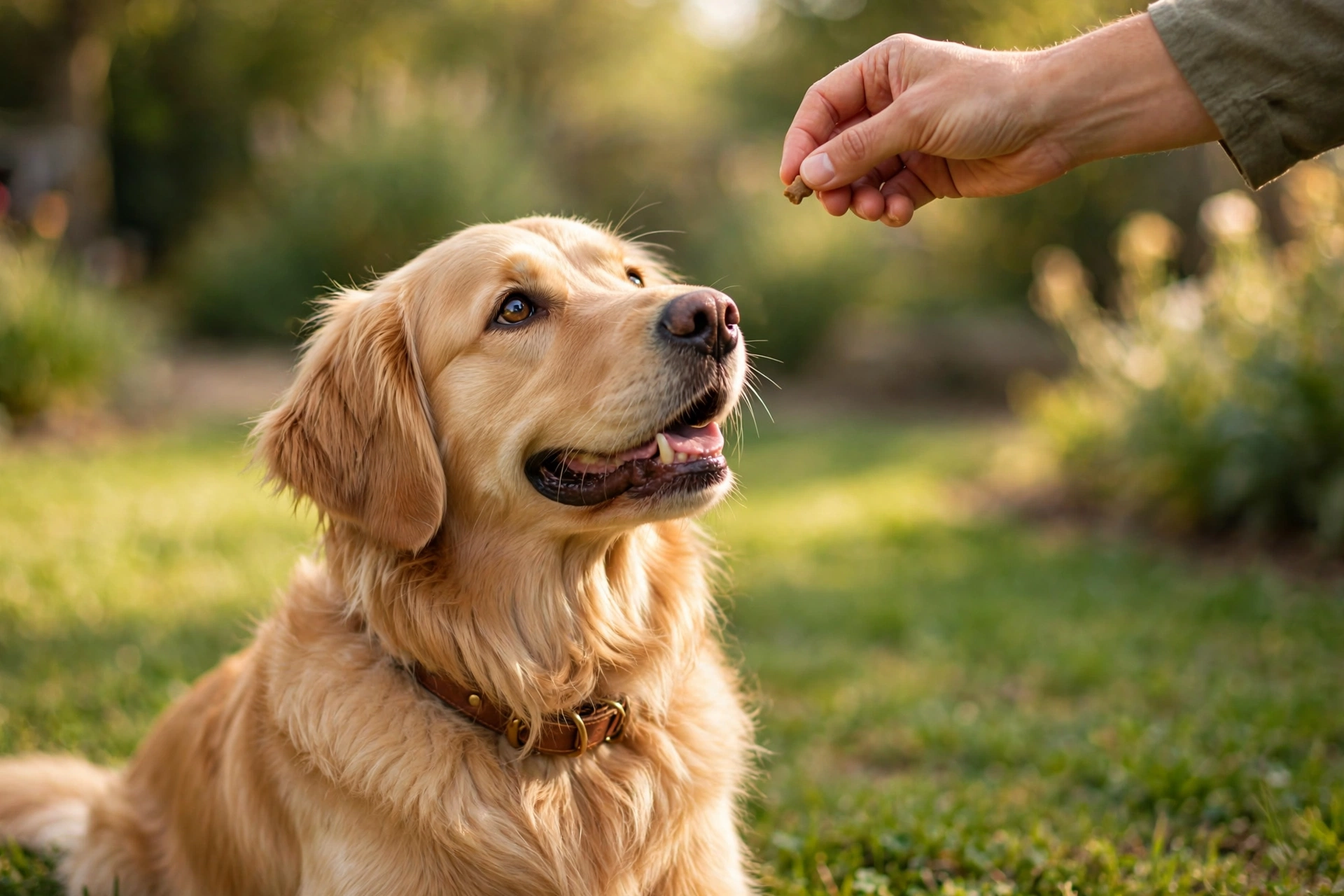
Training is where good dogs are made — and where a lot of extra calories sneak in. A single session can easily burn through 20, 30, or even 50 little rewards, and if each one packs 10 or 15 calories, your dog can blow past their daily treat budget before you’ve finished teaching “stay.” That’s why the best low calorie dog treats for training make such a difference: they let you reward generously, keep your dog motivated, and still protect their waistline.
In this guide, I’ll walk you through six of the best low calorie dog treats for training in 2026, based on ingredient analysis, brand reputation, and owner reviews. You’ll learn what “low calorie” actually means on a treat label, how many treats your dog can really have per session, and which pick fits your dog’s size, age, and taste. Whether you’re house-training a puppy, polishing recall with an adult dog, or keeping an overweight dog on track, there’s a pick here that works.
Key Takeaways
- Training treats should be tiny, quick to eat, and ideally under 5 calories per piece — small size matters more than any single brand.
- Keep all treats and extras to 10% or less of your dog’s daily calories, and count every whole treat even if you break it into pieces.
- Soft, smelly treats usually hold a dog’s attention best; crunchy treats are easier to carry and keep in your pocket.
- Always check the calorie figure on your exact bag — the same brand name can hide different recipes and calorie counts.
- For puppies, choose a puppy-specific treat and divide each piece; adult training treats are not automatically suitable for young dogs.
Best Low Calorie Dog Treats for Training: Quick Comparison
| Product | Best For | Calories per Treat | Key Feature |
|---|---|---|---|
| Zuke’s Mini Naturals Chicken Recipe | Everyday adult training | 2 calories | Soft, tiny, widely available |
| Pupford Train Chicken | Simple ingredient lists | Under 2 calories | Freeze-dried, just 2 ingredients |
| Blue Buffalo BLUE Bits | Soft treats you can portion | 4 calories | Soft-moist bites in many flavors |
| Fruitables Skinny Minis | Dogs with food sensitivities | Under 4 calories | Sweet potato base, no wheat, corn, or soy |
| Charlee Bear Original Crunch | Pocket-friendly training | About 3 calories | Crunchy, no mess, no grease, no smell |
| Wellness Soft Puppy Bites | Puppies under 1 year | 6 calories (divide it) | Puppy-specific, DHA and omega-3 |
Zuke’s Mini Naturals Chicken Recipe
If you only buy one bag, make it this one. Zuke’s Mini Naturals are the classic training treat for a reason: each tiny, soft piece is just 2 calories, so you can reward 25 repetitions for only 50 calories. The chicken recipe is the most popular, and the soft texture means your dog swallows it in a second and gets straight back to work — no crunching, no crumb trail, no lost focus.
The ingredient list starts with real chicken and includes rice, barley, and oats, plus added vitamins and minerals. This is not a single-ingredient treat, and the Mini Naturals line is positioned for adult dogs, so it isn’t my first choice for young puppies or dogs on a strict elimination diet. But for everyday adult-dog training — sit, down, recall, loose-leash walking — it is hard to beat.
One practical note: the treats are soft enough to pinch in half, which effectively doubles your reward count. Many trainers do exactly that and get through a whole class on a small handful. Keep the pouch resealed, though — left open, soft treats dry out and lose the aroma that makes them motivating.
Pupford Train Chicken
Pupford Train Chicken takes a completely different approach: freeze-dried chicken and mixed tocopherols (a natural preservative) are the entire ingredient list. Each piece comes in at under 2 calories, and the bag holds around 475 tiny treats, so the cost per reward is reasonable even though the bag itself looks pricey.
The freeze-dried texture is a real advantage for dogs who get bored of soft treats. It smells strongly of chicken, which helps in distracting environments like parks and training classes, and the pieces are small enough for most dogs to eat quickly. Because the list is so short, it’s also one of the easiest treats to evaluate if your dog has a sensitive stomach — there simply isn’t much in it to disagree with them, as long as chicken itself is fine.
The main tradeoff is that it’s a chicken-based treat, so it’s off the table for dogs with a chicken intolerance. Freeze-dried pieces can also vary a bit in size, so check the bag and break up any unusually large pieces before a session with a small dog.
Blue Buffalo BLUE Bits
Blue Buffalo’s BLUE Bits are soft-moist training treats that come in several flavors — Tasty Chicken, Tender Beef, and more — with about 4 calories per piece. Beef is the first ingredient in the Tender Beef recipe, and the treats include omega fatty acids that support skin and coat health.
What I like most about BLUE Bits is how easy they are to portion. The soft texture tears cleanly, so you can break each bit in half or quarters for a small dog or a long session, stretching one bag much further than the label suggests. They’re widely available in US pet stores and online, which makes them a reliable fallback when your usual treat is out of stock.
Like most soft treats, they won’t suit every dog: some owners report their dogs aren’t interested in them, and the chicken and beef versions both contain multiple ingredients, so they aren’t ideal for dogs on a strict elimination diet. Always check the calorie figure printed on your exact bag, since different BLUE Bits flavors and package sizes can differ.
Fruitables Skinny Minis
Fruitables Skinny Minis are built around sweet potato, with no wheat, corn, or soy — a combination that suits dogs with common food sensitivities. Each mini is under 4 calories, and a 5-ounce pouch holds roughly 150 treats, so the cost per reward stays reasonable.
These treats smell strong, which is actually a feature during training: the aroma grabs a dog’s attention and holds it, even around distractions. The soft texture lets dogs eat them fast and get back to the lesson. Bacon & Apple flavor is the most popular — note these treats contain real bacon, so skip them if your dog’s diet excludes pork products.
The downside is the same strong smell that makes them effective — your treat pouch will announce itself, and the minis can crumble in a pocket if you carry them loose. Keep them in the resealable pouch or a small zip bag and you’ll be fine.
Charlee Bear Original Crunch
Not every training treat needs to be soft. Charlee Bear Original Crunch treats are baked biscuits at about 3 calories each, and their big selling point is convenience: they don’t crumble, smell, stain, or leave grease in your pocket. Trainers have used them for years precisely because you can grab a handful, stuff them in a jeans pocket, and reward all walk long.
The Cheese & Egg flavor is the classic, with a short ingredient list built on wheat flour, cheese, and egg. A grain-free line (peanut butter & banana, and others) exists for dogs who can’t have wheat — check the bag, since the original recipe does contain wheat flour. The crunch itself is audible, which some trainers find useful as an extra marker that the reward has landed.
Crunchy treats do take a second longer to eat than soft ones, so they’re better suited to relaxed practice — loose-leash walking, polite greetings, settle exercises — than to rapid-fire repetition drills where you want ten rewards a minute. For dogs with missing teeth or sore mouths, a soft treat is the kinder choice.
Wellness Soft Puppy Bites
Puppies need training treats too, and adult formulas aren’t always the right call. Wellness Soft Puppy Bites (Lamb & Salmon recipe) are made for puppies under one year, with animal protein sources plus DHA and omega-3 fatty acids that support brain development. The bites are soft, small, and easy for a puppy mouth to handle.
Each whole bite is 6 calories, which is more than the adult picks on this list — so the trick is to divide them. Quartering each bite gives you roughly 1.5 calories per reward, which is perfect for short puppy sessions. Keep a mental count of whole bites used, not pieces, so your calorie math stays honest.
Some puppies with sensitive stomachs may not tolerate this recipe, and the lamb-and-salmon flavor won’t appeal to every pup. But as a puppy-specific starting point, it’s one of the best low calorie options available, and it transitions naturally to the adult treats on this list once your dog turns one.
Buying Guide: What to Look for in a Low Calorie Training Treat
Calories per piece, not per bag
The number that matters is calories per treat, printed in the calorie content statement on the bag. For training, look for under 5 calories per piece as a rule of thumb. Remember that “low calorie” is relative: a 40-calorie biscuit is low compared to a rawhide, but it’s a terrible choice for a session with 30 repetitions. Smaller pieces also let you reward more often, and dogs genuinely can’t tell the difference between a whole treat and a third of one.
Size and texture for the job
Training treats should be pea-sized or smaller, soft enough to eat in a second or two, and easy to grab from a pouch one-handed. Soft treats win for fast repetition; crunchy treats win for pocket convenience and dogs who love to chew. If a treat is too big, break it before the session starts — fumbling with pieces mid-lesson costs you your dog’s attention.
Ingredients you can actually read
Shorter ingredient lists are easier to evaluate, especially if your dog has allergies or a sensitive stomach. Look for a named animal protein (chicken, beef, salmon, lamb) near the top of the list, and be cautious of treats where sugar, corn syrup, or vague “meat meals” and artificial colors dominate. A treat marketed as “chicken” can still contain several other proteins, so read the full panel if your dog follows a restricted diet.
Life stage and size fit
A treat formulated for adult dogs isn’t automatically right for a puppy, and a treat sized for a large breed can be a choking hazard for a toy breed. Check the life-stage statement on the bag, and match piece size to your dog’s mouth. When in doubt, break treats smaller — it’s always the safer direction.
The 10% rule
As a widely used guideline, treats and other extras should make up no more than 10% of your dog’s total daily calories. That means if your dog eats 400 calories a day, roughly 40 calories can come from treats — about 20 two-calorie training treats. For a 1,000-calorie dog, it’s about 100 calories, or 50 two-calorie treats. Knowing your dog’s daily allowance turns treat shopping from guesswork into simple arithmetic.
What to Avoid
- Giant “training” treats: if one treat is 15–30 calories, a single session can undo a day of careful feeding. Break them up or skip them.
- Treats with sugar or corn syrup in the first few ingredients: they add empty calories and offer nothing your dog needs.
- Vague ingredient lists: “meat by-products,” “animal fat,” and artificial colors are red flags in a treat meant for daily use.
- Using meals as training rewards: feeding from the bowl and training from the bowl are both fine, but double-counting — full meals plus a full treat allowance — is how weight creeps on.
- Rawhide and large chews as training rewards: they’re slow, messy, and a choking risk during active training. Save chews for supervised downtime.
- Ignoring the label: recipes change. The bag you bought last year may not match the bag on the shelf today — check calories and ingredients every time.
How Many Low Calorie Treats Can You Give in One Session?
It depends on your dog’s daily calorie allowance, but here’s a practical way to think about it. Work out the 10% treat budget first (or ask your vet for your dog’s number). Then divide that budget by the calories per treat. With 2-calorie treats and a 40-calorie budget, that’s 20 rewards. With a 100-calorie budget, it’s 50. If you need more repetitions than your budget allows, split the difference: use part of your dog’s regular kibble as training rewards, and reduce the meal portion by the same amount. Many trainers do exactly this for high-repetition sessions — the dog still earns every bite, and the daily total stays on target.
Another trick for long sessions is to alternate food rewards with non-food rewards — praise, a quick game of tug, or a chance to sniff something interesting. Dogs trained with a mix of rewards often work just as eagerly, and you stretch the treat budget much further. This guide is for information only — check with your vet for your dog’s specific needs.
Conclusion
The best low calorie dog treats for training are the ones your dog loves, that fit your calorie budget, and that you can deliver fast enough to keep a lesson moving. For most adult dogs, Zuke’s Mini Naturals are the simplest all-round choice at 2 calories a piece. If you want the shortest ingredient list, Pupford Train Chicken is hard to beat. For pocket-friendly crunch, grab Charlee Bear; for sensitive stomachs, Fruitables Skinny Minis; and for puppies, Wellness Soft Puppy Bites (divided) are the way to start.
Whichever you choose, remember the real secret of low calorie training: it’s not just the treat, it’s the portion. Break treats small, count whole treats used, and keep the daily total within that 10% budget. Do that, and you can train every single day without ever worrying about the treat jar undoing your dog’s progress. For more on keeping your dog at a healthy weight, see our guides on the best dog food for weight loss, how to help your dog lose weight safely, and the best weight management dog food for small breeds. If your dog needs a lower-fat diet overall, our best low fat dog food for dogs guide covers that too.
What is the best low calorie dog treat for training?
For most adult dogs, Zuke’s Mini Naturals Chicken Recipe is the best all-round pick at just 2 calories per soft, tiny piece. If you want the shortest ingredient list, Pupford Train Chicken (under 2 calories, freeze-dried) is an excellent alternative.
How many treats can I give my dog in one training session?
It depends on your dog’s daily calorie allowance, but treats and extras should stay within 10% of daily calories. With 2-calorie treats and a 40-calorie treat budget, that’s 20 rewards; with a 100-calorie budget, it’s 50. Count whole treats even when you break them into pieces.
Are low calorie treats safe for puppies?
Yes, as long as you choose a puppy-specific treat like Wellness Soft Puppy Bites and divide each piece to keep portions tiny. Adult training treats are not automatically suitable for puppies, so always check the life-stage statement on the bag.
Can I use my dog’s kibble as training treats?
Yes — it’s one of the best tricks for high-repetition sessions. Use part of your dog’s regular meal as rewards and reduce the bowl portion by the same amount, so the daily calorie total stays on target.
What treats should I avoid for an overweight dog?
Avoid large biscuits (15-30 calories each), treats with sugar or corn syrup near the top of the ingredient list, rawhide, and any treat with vague ingredients like “meat by-products.” Stick to treats under 5 calories per piece.
Are freeze-dried treats low in calories?
They can be — Pupford Train Chicken is under 2 calories per piece — but freeze-dried does not automatically mean low calorie. Always check the calorie content statement, since freeze-dried treats can be calorie-dense per gram.
How do I know if a treat is really low calorie?
Read the calorie content statement on the bag for calories per treat, not per bag or per cup. For training, look for under 5 calories per piece, and re-check every time you buy — recipes and calorie counts can change.
Should treats replace meals during training?
No. Treats should supplement a balanced diet, not replace meals. If you use kibble as rewards, reduce the meal portion by the same amount. Treats and extras should stay within 10% of your dog’s daily calories.

4 Comments